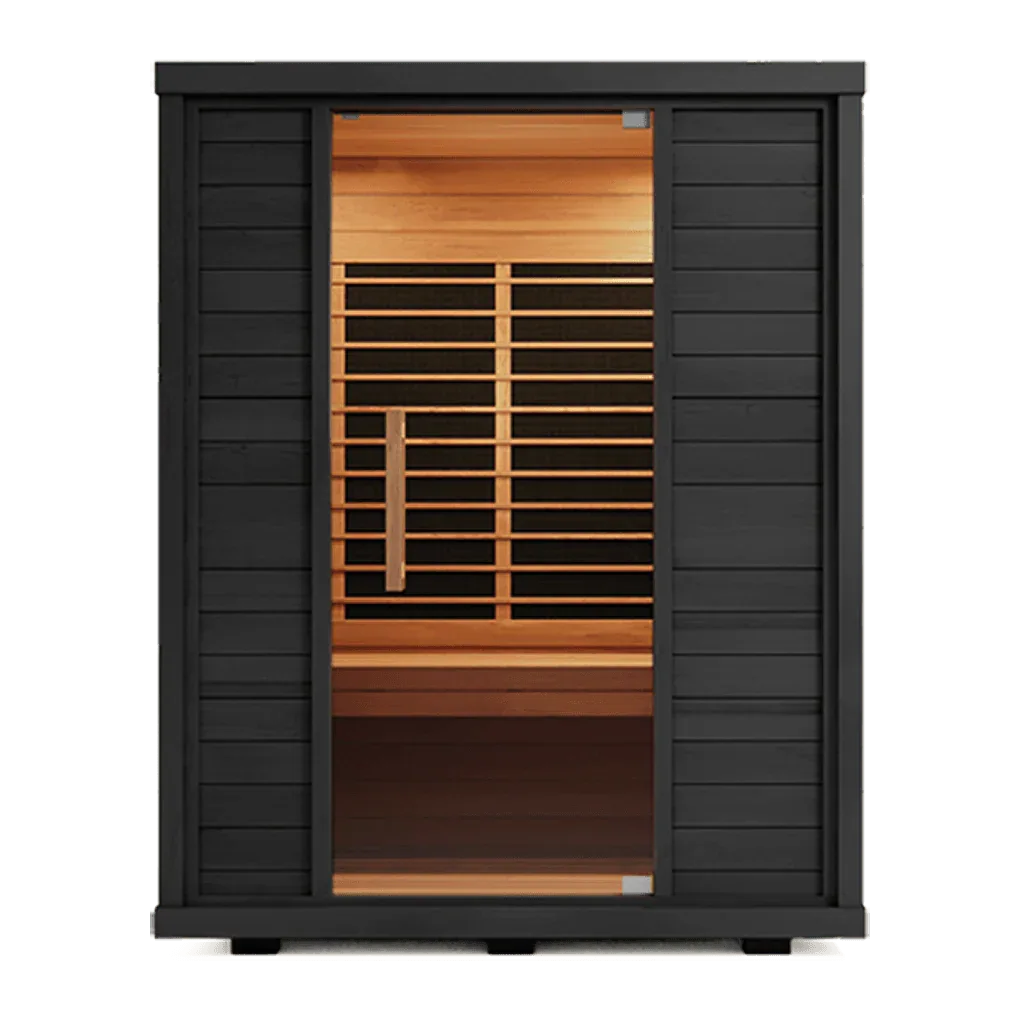
Safest Low EMF Infrared Sauna Reviews: Top Brands for 2025
Choose an infrared sauna with verified emissions below 0.5 milligauss at 6 inches to limit unnecessary electrical exposure at close range. Carbon heating systems generally emit less EMF than ceramic alternatives. The Sunlighten mPulse records less than 0.2 milligauss, placing it well below the preferred threshold for a low EMF home sauna.
What Is a Low EMF Infrared Sauna and Why Does It Matter?
Low EMF infrared saunas typically emit less than 0.5 milligauss at 6 inches from the heater. This significantly reduces potential health risks while retaining the therapeutic benefits of infrared heat.
When creating a home sanctuary, understanding low EMF infrared sauna reviews safety is crucial for long-term wellness. While the International Commission on Non-Ionizing Radiation Protection (ICNIRP) sets guidelines at 1,000 milligauss (mG) for general exposure, health-conscious consumers prefer much tighter thresholds. In a private wellness retreat, keeping safe EMF levels below 0.5 mG at close proximity ensures peace of mind.
Top Low EMF Infrared Sauna Brands: Lab Tested Milligauss Readings
To help you choose the safest home sauna, we analyzed independent lab data for leading brands. Sunlighten's mPulse model consistently measures less than 0.2 mG at 6 inches, making it one of the lowest EMF options available. SaunaSpace's ThermaLight heater, which uses incandescent bulbs, records readings under 1 mG. Clearlight and JNH Lifestyles also offer models with ultra low EMF carbon heaters that stay well under 0.5 mG. Always look for third-party lab test results from agencies like Intertek or MET Labs to verify claims.
Types of Infrared Heaters: Carbon vs. Ceramic and Their EMF Profiles
Carbon heaters produce far less electromagnetic field radiation than ceramic heaters due to their construction and lower operating temperatures. Ceramic heaters often need metallic elements that generate higher EMF. For optimal safety, choose a sauna with ultra low EMF carbon heaters. When reviewing low EMF infrared sauna reviews, pay attention to the heater type, carbon is preferred.
How to Verify Low EMF Sauna Claims: A Buyer's Checklist
- Request the exact milligauss reading from the manufacturer.
- Confirm the data is from an independent lab (e.g., Intertek, CSA).
- Look for third-party lab test results on the company website.
- Use your own EMF meter (like a Trifield) once the sauna is installed.
- Check for UL or ETL safety certification. Following this checklist helps ensure you get the safest home sauna for your health.
FAQs
What is considered a low EMF level for an infrared sauna? A level below 0.5 milligauss (mG) measured at 6 inches from the heater is considered safe and low EMF. What other safety features should I look for in a low EMF sauna? Look for non-toxic materials like zero-VOC finishes, EMF-free cabinetry, and UL/ETL listing. Can I measure EMF in my sauna at home? Yes, using an EMF meter such as the Trifield or Cornet allows you to verify readings yourself.