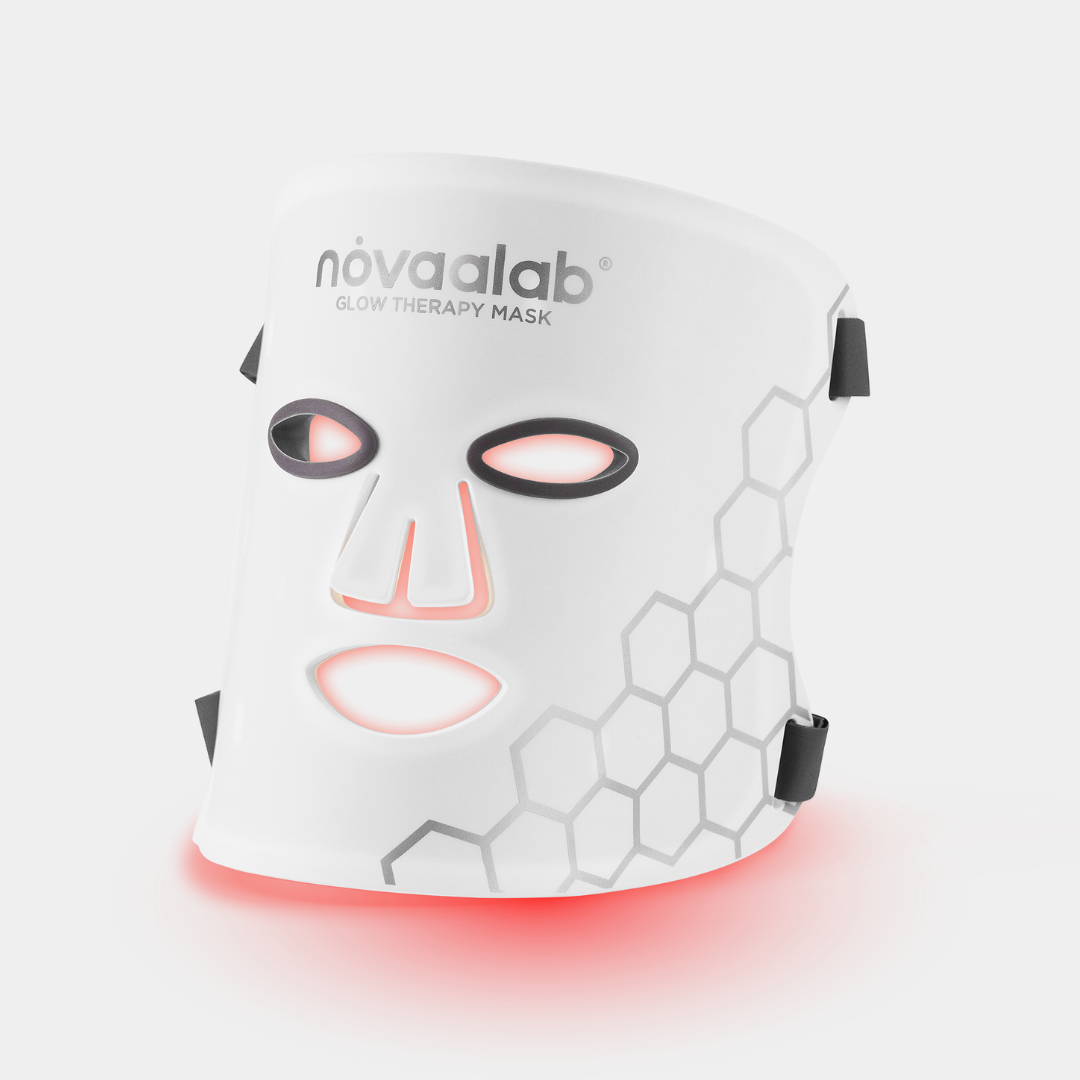

Red light therapy can be part of a skin routine, but buyers should be careful with scar-healing promises. Texture, redness, pigmentation, and active acne are different problems, and a mask is not a substitute for dermatology care. A device such as the Radiant Face Mask makes sense when you want a low-friction at-home routine and you understand what it can and cannot do.
Clarify What You Mean by Scar
Post-acne redness, dark marks, raised texture, and indented scarring respond differently to skincare and professional treatment. A light mask may support a consistent routine, but deeper texture changes often need a dermatologist-guided plan. This matters because unrealistic expectations lead to expensive disappointment.
Mask Comfort Drives Consistency
Face masks win because they are easy to position. Check fit, eye comfort, heat feel, session timer, strap comfort, and cleaning instructions. If a mask is irritating or awkward, it will not get used often enough to justify the purchase.
Wavelength Claims Need Context
Red and near-infrared wavelengths are common in consumer devices, while blue light is often discussed for acne-related routines. The buyer should look for clear specifications and safety guidance instead of vague promises. More LEDs do not automatically mean better outcomes if the device is uncomfortable or poorly documented.
Where the Mask Fits in a Routine
Use a mask as a supporting tool alongside sunscreen, gentle cleansing, non-irritating skincare, and professional advice when scarring is significant. Avoid stacking aggressive exfoliants and devices without understanding irritation risk.
Frequently Asked Questions
Can a red light therapy mask completely get rid of deep acne scars?
No, a red light mask is meant for realistic support and repeatable routines rather than miracle scar removal. Deeper texture changes from acne often require a dermatologist-guided plan, as different types of scars respond differently to skincare. Light masks are not a substitute for professional dermatology care when scarring is significant.
What features should I consider to make sure a light therapy mask is comfortable?
When evaluating a mask, you should check the fit, strap comfort, eye comfort, heat feel, session timer, and cleaning instructions. These factors are important because if a device is irritating or awkward, it will not be used often enough to justify the cost. Face masks are popular largely because they are easy to position for consistent use.
What should I know about wavelength claims and LED counts on these devices?
Red and near-infrared wavelengths are common in consumer devices, and blue light is often discussed for acne routines. Buyers should look for clear specifications and safety guidance instead of vague claims. Also having more LEDs does not automatically mean you will get better outcomes if the device is poorly documented or uncomfortable.
How do I safely incorporate a red light mask into my existing skincare routine?
You should use a red light mask as a supporting tool alongside sunscreen, gentle cleansing, and non-irritating skincare. To prevent irritation, avoid stacking aggressive exfoliants and devices without understanding the risks. If your scarring is significant, it is best to use the mask alongside professional advice.
Related Reading
Pros
- High commercial intent for LED mask shoppers
- Clear safety and expectation framing
- Natural affiliate fit
Cons
- Severe scarring may need professional care
- Device specs and comfort vary by brand
Technical Verdict
Choose a red light mask for repeatable face routines and realistic support, not miracle scar removal.
→ Check Face Mask Pricing