Infrared Sauna vs Sauna Blanket: 7 Key Differences
Choose a sauna blanket for lower cost and minimal space, or an infrared sauna for faster whole-body heating. Blankets cost $200 to $600 and need about 3 square feet, while cabins cost $1,000 to more than $5,000 and require 10 to 20 square feet. Core temperature rises after 30-plus minutes in a blanket versus 10 to 15 minutes in a sauna.
1. How They Work and Heat Delivery Differs: Infrared Sauna vs Sauna Blanket Differences
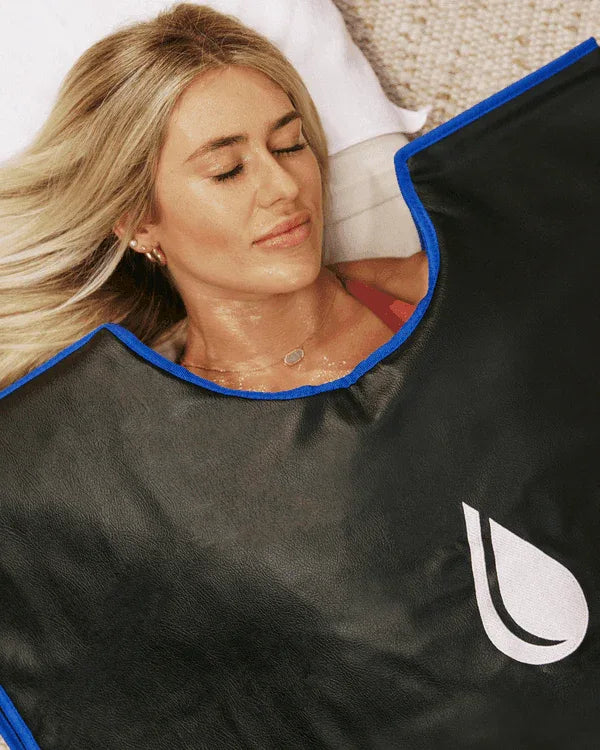
The fundamental difference is that infrared saunas heat the air around you to 120-140°F, while sauna blankets directly contact your body at 130-150°F, leading to distinct experiences and physiological effects. Think of a sauna cabin as a therapeutic room; the far infrared (FIR) panels warm the surrounding air, so you feel the heat on your entire skin surface. In contrast, a blanket uses direct conduction. You are cocooned in a heated envelope, with the heat source applied directly to your body's surface, allowing for a significantly lower ambient temperature in your room. This difference means that while a blanket can reach higher panel temperatures, it takes longer to raise your core body temperature. A cabin can improve your internal temperature in 10-15 minutes through the surrounding hot air, but a blanket often requires 30+ minutes to achieve the same core temperature rise. But the blanket's direct contact can produce a more intense, localized sweat response, especially in the upper body.
| Feature | Infrared Sauna Cabin | Sauna Blanket |
|---|---|---|
| Heating Method | FIR heats ambient air | FIR + direct conduction |
| Typical Temp | 120-140°F | 130-150°F |
| Core Temp Rise | 10-15 min | 30+ min |
| Ambient Room Temp | Hot | Comfortable |
This distinction is critical. If you crave that immersive, air-enveloping heat of a traditional sauna, a cabin is your sanctuary. If you prioritize efficiency and the ability to sweat without heating your living room, the blanket wins.
2. Cost Comparison: Is a Sauna Blanket a Better Value Than an Infrared Sauna?
Sauna blankets cost $200-$600 upfront, while infrared saunas start around $1,000 and can exceed $5,000, but saunas have longer lifespans and lower per-use cost over time. Let's break down the real numbers. A premium sauna blanket, like those in the Sun Home Saunas Review comparison, typically runs $500-$700. An entry-level, 2-person cabin from brands like JNH Lifestyles costs around $1,200. A premium cabin, like those from Sun Home Equinox, can exceed $5,000. But the story isn't just the sticker price. A blanket uses roughly 30 watts, while a cabin uses 1,500 watts. Over a year of daily use, that difference might amount to a few hundred dollars in electricity. But the blanket's lifespan is typically 1-3 years before the heating elements degrade, while a cabin can last 10-15 years. The total cost of ownership for a blanket is lower in year one, but over a decade, a cabin can be more cost-effective.
| Factor | Sauna Blanket | Infrared Sauna Cabin |
|---|---|---|
| Initial Cost | $200 - $700 | $1,000 - $5,000+ |
| Power Use | ~30W | 1,500W |
| Avg. Warranty | 1-3 years | 5-10 years |
| Lifespan | 1-3 years | 10-15 years |
3. Space and Portability: Sauna Blankets Win for Apartments
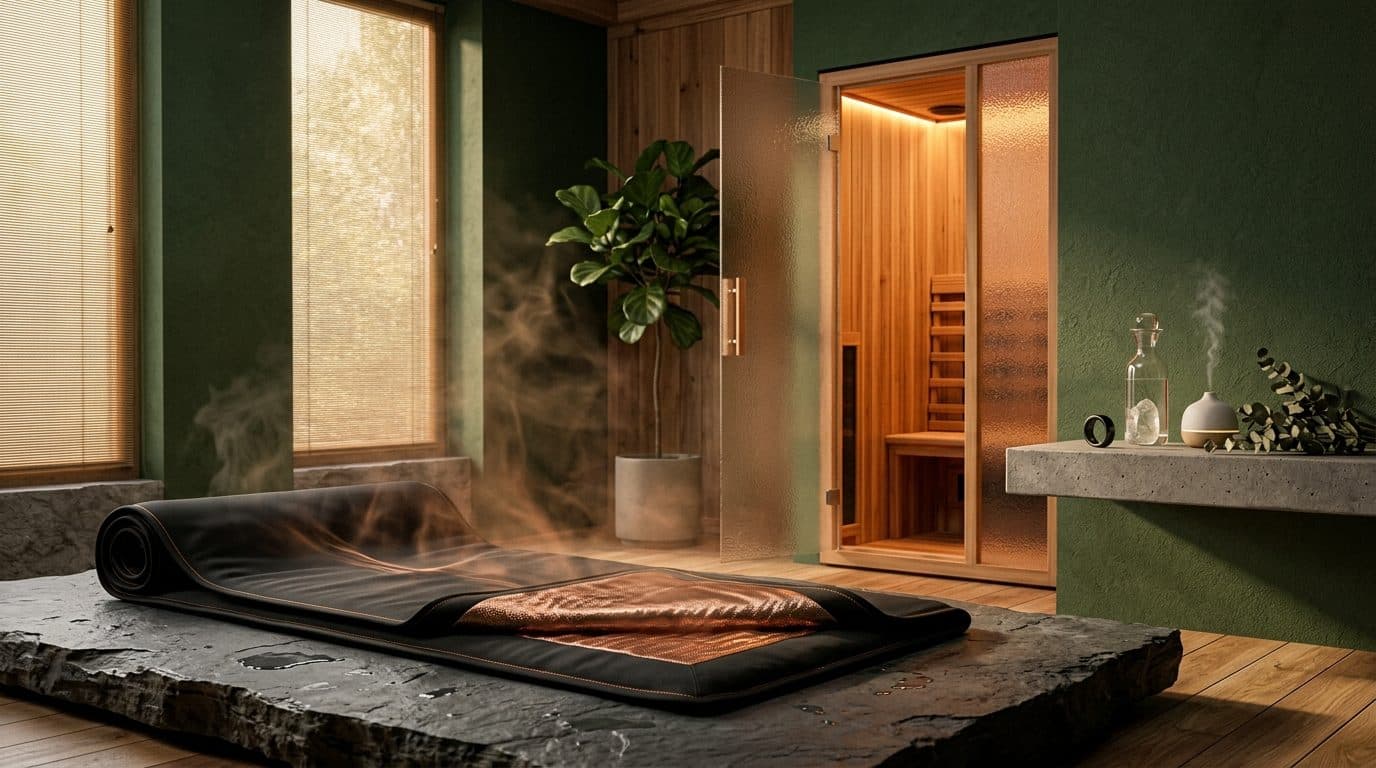
A sauna blanket folds to the size of a sleeping bag and requires only 3 square feet of floor space, making it ideal for apartments, while an infrared sauna cabin needs 10-20 square feet and a permanent spot. For those living in a city apartment, this is often the decisive factor. A sauna blanket can be stored in a closet or under a bed. When open, it covers the floor like a yoga mat. Sun Home Saunas allows you to set up a full sweat session in your living room, bathroom, or even your bedroom, then pack it away in minutes. A sauna cabin, even a 1-person unit, requires a dedicated floor area of at least 4'x4' and needs to remain assembled. If you are renting, moving a heavy cabin is a logistical nightmare, while a blanket simply goes in a bag. For frequent travelers, portable solutions like the Infrared Sauna Blanket are a non-negotiable win.
4. Brand Showdown: Sun Home Saunas Review Sauna Blankets and Other Top Models
Sun Home Saunas and Sun Home are the two leading sauna blanket brands, with Sun Home Saunas priced lower but Sun Home offering longer warranty and EMF-safe materials; both compete with entry-level infrared cabins on features and cost. This comparison is the heart of the decision for many buyers. Sun Home Saunas has dominated the market with its sleek design, carbon fiber heating, and a price point around $499. But its warranty is only 1 year. Sun Home offers a more solid build with tourmaline and ceramic heating, lower EMF readings (often <0.5 mG), and a 2-3 year warranty for a price of $600-$700. When comparing these blankets to entry-level cabins, the lines blur. A $1,000 JNH Lifestyles cabin offers a more complete experience but may have higher EMF and a shorter lifespan than a premium blanket. For the price of a mid-tier cabin ($1,500-$2,500), a Sun Home blanket plus a dedicated red light panel like the Novaa Pro provides a powerful, stackable wellness stack that rivals the cabin alone.
5. Effectiveness for Detox, Weight Loss, and Muscle Recovery: Which Delivers Better Results?
Both infrared saunas and blankets effectively induce sweat and increase heart rate, but studies suggest you can burn 300-600 calories per session in either; however, the blanket's direct contact may encourage deeper sweating in upper body areas. Let's answer the question: is a sauna blanket as good as a sauna for specific goals?
- Detoxification: Both promote sweating, and the body excretes toxins (like BPA, phthalates) through sweat. A blanket's direct contact can cause you to sweat more, faster. A cabin's even heat distribution ensures a more comprehensive, whole-body sweat.
- Calorie Burn: A single session in either can improve your heart rate to 100-140 bpm. This is equivalent to moderate exercise. The 300-600 calories per session claim is achievable in both, but the real weight loss is temporary water weight.
- Muscle Recovery: Both increase blood flow. For targeted relief (e.g., a sore lower back), the blanket's direct wrap function is superior. For general relaxation and stress relief, the cabin's ambient heat is more immersive.
6. Safety, EMF Exposure, and Certifications: What to Know Before Buying
Quality sauna blankets like Sun Home Saunas and Sun Home have EMF sauna blanket safety levels below 1 mG, often lower than many infrared cabins, but improper use (e.g., extended sessions) can lead to overheating or dehydration. This is a major concern for health-conscious buyers. The good news: premium blankets are engineered for safety. The Sun Home Saunas and Sun Home blankets both comply with CE, FCC, and RoHS standards. Their EMF readings are typically 0.5-0.9 mG, which is significantly lower than the 1-3 mG found in many entry-level cabins. But the danger lies in user error. Never fold a blanket while it is on, as it can create hot spots and cause burns. Always use a body towel inside for hygiene. Start with 20-minute sessions and hydrate before and after. For anyone with a heart condition, circulatory issues, or who is pregnant, consult a doctor before use.
7. Frequently Asked Questions About Infrared Sauna vs Sauna Blanket
Is a sauna blanket as effective as a traditional infrared sauna?
For sweating and calorie burn, yes, studies show comparable results. But traditional saunas raise core temperature faster and provide a more immersive relaxation experience.
How much does an infrared sauna cost vs a sauna blanket?
Sauna blanket cost $200-$600, while infrared sauna price $1,000-$5,000 for entry-level to premium models.
What are the main advantages of an infrared sauna blanket?
Portability, small footprint (3 sq ft), lower upfront cost, and the ability to use anywhere. They also tend to produce less EMF than many cabin models.
Can you lose weight with a sauna blanket?
Yes, a 30-minute session can burn 200-600 calories, primarily through increased heart rate and sweating. But this is primarily water weight and temporary.
How long should you use an infrared sauna blanket?
Start with 20-30 minutes at a comfortable temperature, gradually increasing to 45 minutes. Stay hydrated and never exceed 60 minutes.
Are sauna blankets safe? EMF concerns?
Top brands like Sun Home Saunas and Sun Home have EMF levels below 1 mG, considered very safe. Always follow usage instructions to avoid burns or overheating.
Which is better for detox: sauna blanket or infrared sauna?
Both promote through sweating. Blankets may induce more sweating in upper body due to direct contact, but overall detox efficacy is similar.