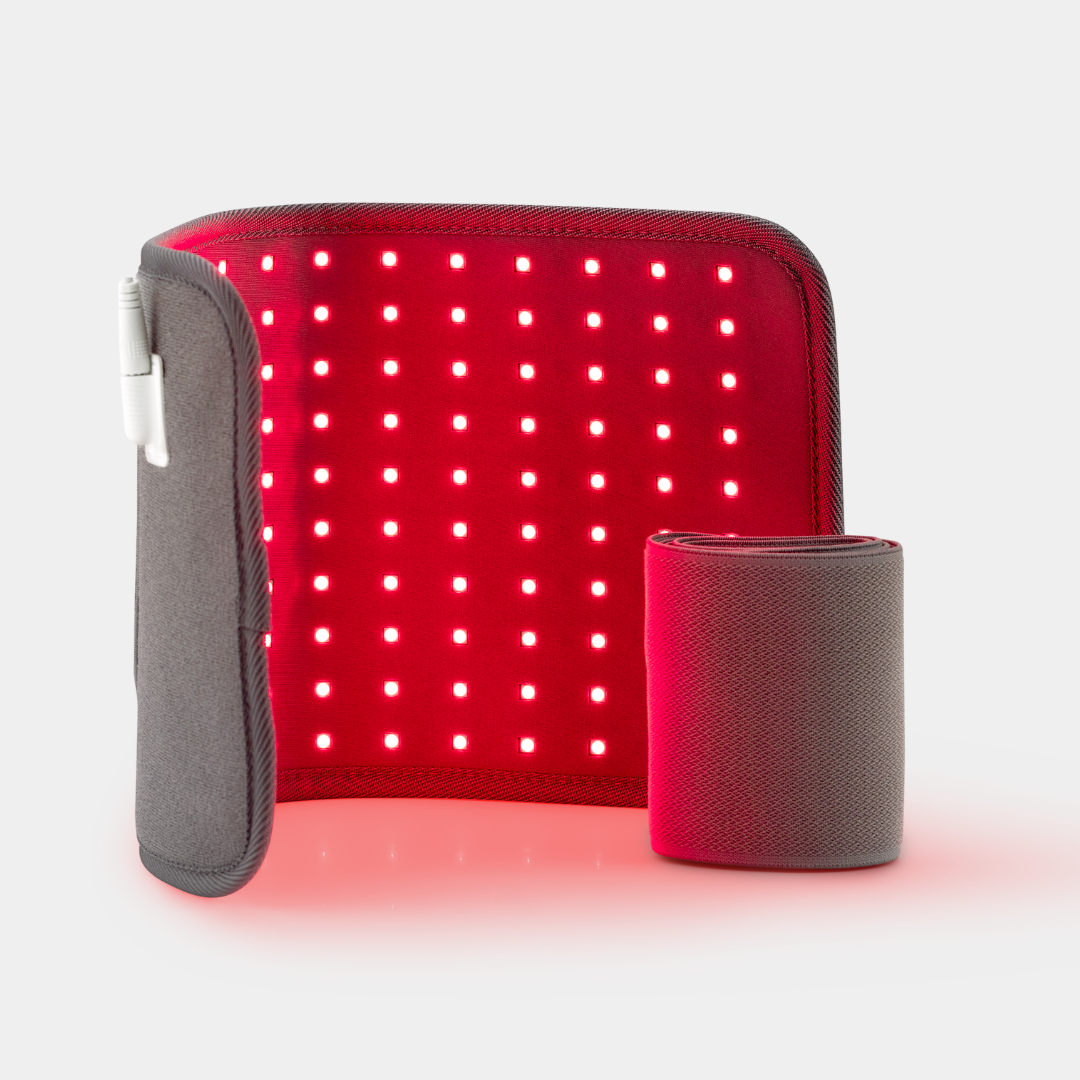

A red light boot can relieve burning and tingling foot pain at home by directing therapeutic 660 nm light into affected tissue. Chronic pain and diabetic neuropathy create oxidative stress that allows nitric oxide to block cytochrome c oxidase, limiting oxygen use and cellular energy. Red light removes that blockade and restores mitochondrial efficiency needed for repair.
Mitochondrial Photobiomodulation: CCO Absorption Spectra and ATP Kinetics
At the cellular level, the therapeutic magic of photobiomodulation (PBM) relies on a precise biochemical handshake. The primary engine of this recovery is the absorption of narrowband 660 nm red light by mitochondrial photoreceptors. Within the mitochondria, specifically inside Complex IV of the electron transport chain, lies Cytochrome c Oxidase (CCO). In states of chronic pain and diabetic neuropathy, tissues experience oxidative stress, causing nitric oxide (NO) to bind to CCO. This molecular blockade inhibits oxygen consumption and starves cells of energy.
When 660 nm photons hit the target tissue, they are absorbed by CCO, prompting the immediate dissociation of nitric oxide. This biochemical release allows oxygen to bind to CCO once more, accelerating cellular respiration. The result is a dramatic increase in adenosine triphosphate (ATP) synthesis, providing the essential cellular energy required to fuel metabolic repair, stabilize compromised cellular membranes, and lower cellular stress. By restoring mitochondrial efficiency, the body shifts from a state of hypoxic emergency to active cellular regeneration, building a literal sanctuary of health from the inside out.
Dosimetry and Tissue Penetration: 660 nm vs. 850 nm by Skin Phototype
To achieve systemic healing, light must reach the deep-seated nerves of the lower limbs. This is where dual-wavelength engineering becomes essential. While 660 nm red light targets superficial dermal structures, near-infrared (NIR) light at 850 nm penetrates deep into subcutaneous tissue, reaching depths of 1 to 2 cm to interact directly with peripheral nerve fibers. According to ISO 20473 standards, near-infrared energy occupies the 780 nm to 3000 nm spectrum, behaving as an invisible therapeutic force.
skin phototype significantly influences photon scattering and absorption. Melanocompetent skin (Fitzpatrick phototypes IV, VI) contains higher melanin concentrations, which readily absorb visible light in the 660 nm range. To prevent thermal buildup and ensure even energy delivery across all skin types, the integration of 850 nm NIR light is vital. Melanin absorption decreases sharply in the NIR spectrum, allowing the 850 nm photons to bypass superficial melanin barriers. This design ensures that every patient receives a uniform, therapeutic dose of energy (~20 J/cm²) without any risk of thermal discomfort or skin irritation.
TRP Channel Gating and Neuropathic Pain Gate Control Theory
Diabetic peripheral neuropathy (DPN) alters sensory processing, turning minor stimuli into agonizing electric shocks or burning sensations. This hypersensitivity is driven by dysfunctional ion channels on nociceptive nerve fibers. The deep penetration of 850 nm light specifically targets these pathways by modulating Transient Receptor Potential (TRP) channels, specifically TRPV1 and TRPA1. By inducing a temporary, controlled depolarization, photobiomodulation desensitizes these hyperactive pain receptors, breaking the cycle of constant pain signaling.
This cellular mechanism aligns perfectly with the classic Gate Control Theory of Pain. By stimulating larger, non-nociceptive sensory fibers through improved micro-circulation and mild mechanoreceptor activation, the therapeutic light effectively closes the neural "gate" in the spinal cord. This prevents incoming pain signals from reaching the brain, replacing constant burning with a soothing sensation of physical relief. NovaaLab
To discover how this targeted action translates to long-term clinical benefits, you can Claim 60-Day Trial to experience this scientific breakthrough firsthand in your own home sanctuary.
Clinical Protocol: Optimal Session Duration and Cumulative Joules for DPN
In the science of photobiomodulation, therapeutic success is governed by the Arndt-Schulz Law of dosimetry: too little energy produces no biological effect, while excessive energy can inhibit healing. The optimal clinical window for treating neuropathy requires delivering a cumulative energy density of 10 to 30 Joules per square centimeter (J/cm²) directly to the skin surface.
To safely achieve this therapeutic target without causing thermal fatigue, the recommended protocol involves a daily session of 15 to 20 minutes. Consistent, daily application is crucial. Over a period of 10 to 20 consecutive sessions, the cumulative energy triggers a sustained biological cascade. This steady stimulation improves local blood flow, accelerates nerve regeneration, and provides cumulative pain relief that extends far beyond the active treatment window.
For those interested in exploring how clinical dosimetry compares to other home-use physical therapy alternatives, Compare Foot Therapy Devices to review the comparative data and choose the optimal solution for your recovery.
Neuroinflammation Reduction: Cytokine and mGluR Pathways
Chronic neuropathic pain is not just a signaling problem; it is also a state of localized neuroinflammation. Prolonged nerve stress triggers a persistent release of pro-inflammatory cytokines, including Tumor Necrosis Factor-alpha (TNF-α) and Interleukin-6 (IL-6), which degrade nerve health and amplify pain sensitivity. Photobiomodulation directly interrupts this destructive inflammatory cycle.
By modulating transcription factors like NF-kB, light therapy downregulates the production of these inflammatory cytokines while promoting anti-inflammatory mediators. Also near-infrared light alters metabotropic glutamate receptor (mGluR) pathways, dampening central nervous system sensitization and neural hyperexcitability. This comprehensive cellular reset reduces swelling, clears toxic inflammatory byproducts, and nourishes damaged nerve tissues back to health. NovaaLab
Integration with Current Guidelines: ADA & NICE Alignment for Non-Pharmacologic Therapy
Modern medical consensus is increasingly shifting away from relying solely on pharmaceutical pain management for neuropathy. Major clinical organizations, such as the American Diabetes Association (ADA) and the National Institute for Health and Care Excellence (NICE), now place heavy emphasis on non-pharmacologic, non-addictive interventions. Systemic medications like gabapentinoids or opioids often carry significant side effects, including grogginess, dependency, and gastrointestinal issues, which can compromise your quality of life.
Integrating home-based photobiomodulation therapy offers a safe, drug-free alternative that addresses the root vascular and neural causes of foot discomfort. By incorporating this clinical-grade light therapy into your daily routine, you can safely complement your existing medical plan, reduce your reliance on daily medications, and enjoy the physical freedom of active living. To read more about how patients are using this clinical technology to transform their recovery, Read Foot Healing Review.
Frequently Asked Questions
FAQ #1: Can the Novaa Light Boot cure diabetic foot pain?
It is clinically designed to temporarily reduce nerve pain, increase local blood micro-circulation, and stimulate vascular cell activity to ease tingling. While there is no permanent cure for diabetes-induced peripheral nerve damage, consistent photobiomodulation therapy helps manage discomfort effectively, supports the body's natural healing mechanisms, and improves daily mobility.
FAQ #2: Does the boot cover the ankle?
Yes, it wraps around the entire foot and ankle joint to ensure complete coverage of nerve pathways, targeting key pain transmission zones for maximum therapeutic benefit.
Investing in your physical freedom should be a stress-free experience. To make this advanced recovery system accessible to everyone, the manufacturers offer a 60-day home trial, a lifetime warranty, and flexible financing options starting as low as $199/month. Reclaim your mobility and step into pain-free living today.
Pros
- Simultaneous 660 nm and 850 nm wavelengths for multi-depth tissue repair
- Complete foot and ankle coverage ensures thorough targeting of nerve pathways
- Completely drug-free and non-invasive pain management option
- Backed by a 60-day trial and lifetime warranty to eliminate buying risk
Cons
- Requires consistent daily use for optimal, long-term therapeutic results
- Higher initial investment compared to temporary, low-tech topical creams
Technical Verdict
The Novaa Light Boot utilizes clinically-validated 660 nm and 850 nm wavelengths to stimulate mitochondrial ATP production and desensitize overactive pain channels. This targeted physical therapy provides systemic, cumulative relief from neuropathic discomfort. It stands as a premier, non-pharmacologic solution for chronic foot pain.
→ View Specs & Pricing