Designing a dedicated recovery sanctuary at home requires balancing engineering quality with budget reality. If you are examining a Red Light Therapy Panel Cost Breakdown: How Much Should I Budget for Home Use?, navigating sticker prices without understanding technical specifications often leads to overspending or underpowered hardware. Market prices range from $100 entry-level devices to $3,500+ commercial-grade full-body panels.
To establish an accurate budget, you must evaluate target treatment areas, total optical irradiance, dual-wavelength configurations, and structural manufacturing standards. Investing in personal photobiomodulation hardware provides a long-term foundation for stress reduction, cellular recovery, and circadian alignment. This guide breaks down prices across all device form factors, calculates hidden ownership costs, and clarifies where to save versus where to invest.
How Much Does a Red Light Therapy Panel Cost? Price Ranges by Panel Type
Red light therapy panels for home use typically cost $100–$300 for handheld devices, $300–$800 for mid-size panels, and $800–$3,500+ for full-body panels, with price tracking closely to size, LED count, and irradiance.
Form factor represents the primary driver of initial sticker price. Small handheld devices use fewer light-emitting diodes (LEDs) and smaller power transformers, keeping manufacturing costs low. Mid-size panels require dedicated aluminum housing, dual internal cooling fans, and high-output driver boards. Large full-body arrays use multiple linked power supplies and structural mounting hardware to support hundreds of individual high-wattage LEDs.
The baseline red light therapy panel cost scales directly with treatment surface area and structural build quality. Entry-level brands like Hooga and Bestqool focus on entry-level targeted units. Mid-range manufacturers such as Mito Red Light and PlatinumLED build targeted and half-body panels engineered for daily use. Premium brands like Joovv and Equinox engineer full-body modular systems designed for residential wellness spaces and commercial spas.
| Panel Category | Price Range | Average LED Count | Primary Target Applications |
|---|---|---|---|
| Handheld / Targeted | $100–$300 | 12–60 LEDs | Facial skin health, localized joint pain, spot treatment |
| Mid-Size Panels | $300–$800 | 60–150 LEDs | Facial coverage, chest, lower back, individual muscle groups |
| Full-Body Panels | $800–$3,500+ | 200–600+ LEDs | Full-body coverage, systemic athletic recovery, whole-body wellness |
Handheld and Targeted Devices: $100–$300
Handheld devices and compact desktop pads serve focused applications like facial spot treatment or specific joint discomfort. These models feature low power transformers and compact plastic frames, keeping manufacturing costs minimal.
While accessible, targeted devices require prolonged sessions to treat larger muscle groups. Treatment windows that take 10 minutes on a panel can take over 40 minutes when moving a small handheld device across different body parts.
Mid-Size Panels for Small Areas: $300–$800
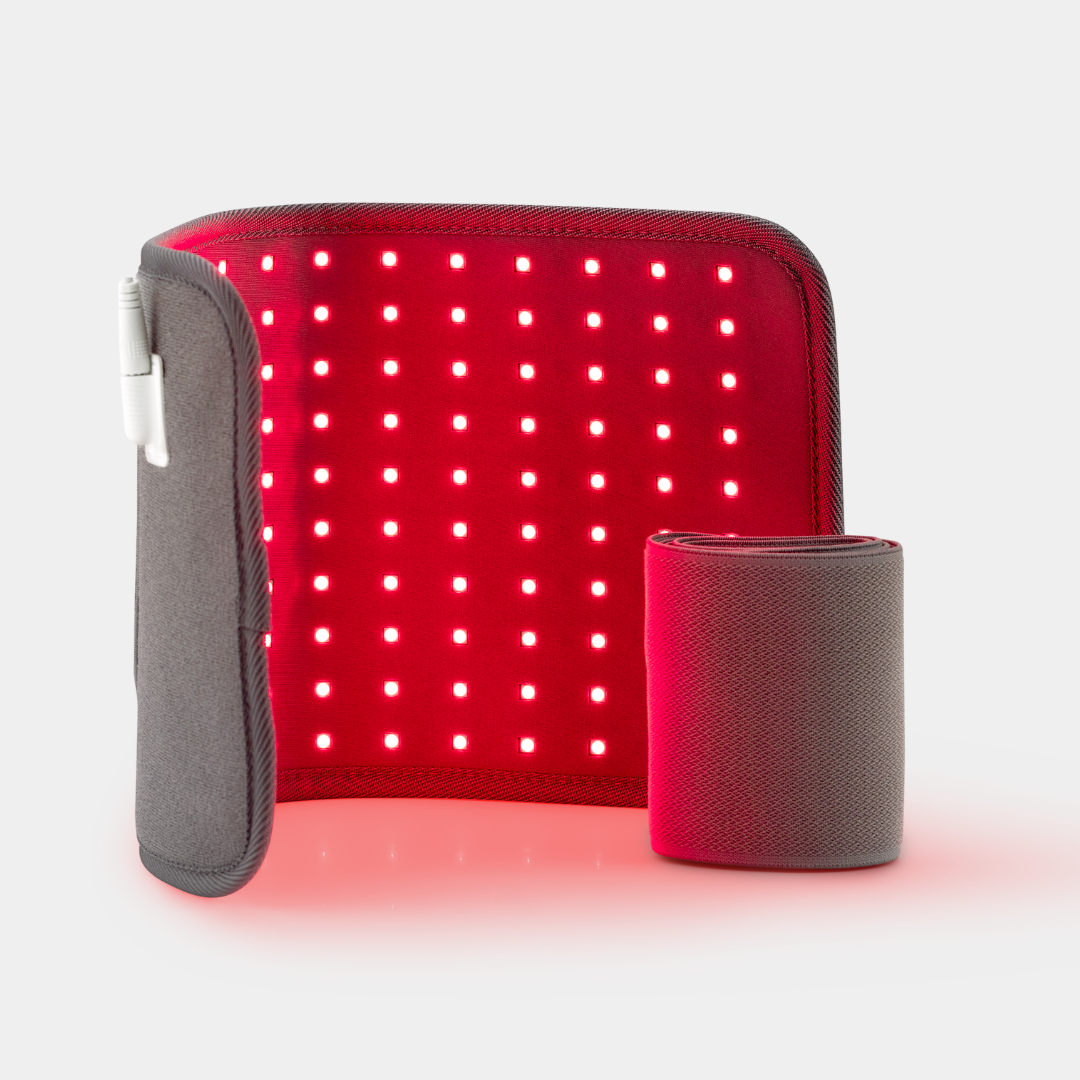
Mid-size panels measuring 12 to 24 inches in height represent the entry point for effective biological dosing. These units pack between 60 and 150 dual-chip LEDs into solid steel or aluminum chassis.
Units in this tier deliver sufficient power density to target the entire face, neck, or lower back in a single 10-minute treatment. For most home users, this tier offers the sweet spot between upfront expense and practical treatment speed.
Full-Body Panels: $800–$3,500+
Full-body panels stack multiple panel matrices together or deploy a single continuous board measuring 36 to 70 inches in height. These large systems treat the entire torso and legs simultaneously.
Pricing reflects heavy-duty power supplies, high-CFM internal cooling systems, and advanced modular connections. Whole-body panels reduce daily treatment sessions to under 15 minutes total, making them ideal for serious recovery spaces.
Key Specs That Determine Red Light Therapy Panel Price: Wavelength, Irradiance, and LED Count
Four specs drive most of the price difference between red light therapy panels: wavelength (630–670 nm red plus 810–850 nm near-infrared), irradiance (quality panels deliver 30–100 mW/cm² at 6 inches), LED count, and total treatment area.
Understanding optical engineering prevents overpaying for underpowered equipment. Cheap panels often advertise high total wattage drawn from the wall while outputting low light power to the skin. Evaluating technical parameters ensures your money buys genuine biological power.
+-------------------------------------------------------------------+
| OPTICAL SPECTRAL POWER DISTRIBUTION |
| |
| RED SPECTRUM (630 - 670 nm) NEAR-INFRARED (810 - 850 nm) |
| Dermal Absorption Subcutaneous Penetration |
| [ Skin / Collagen Support ] [ Muscle / Joint Recovery ] |
| |
| ==========================> ==========================> |
| Surface Layer (0 - 2 mm) Deep Tissue (2 - 50 mm) |
+-------------------------------------------------------------------+
Red (630–670 nm) vs. Near-Infrared (810–850 nm): Why Dual-Chip Panels Cost More
Red light centered between 630 nm and 670 nm absorbs within skin tissue to support collagen synthesis and dermal healing. Near-infrared (NIR) light between 810 nm and 850 nm penetrates deeper into muscle tissue, tendons, and joints.
Single-wavelength panels use basic single-chip diodes, keeping manufacturing costs lower. Modern dual-chip panels combine both Red and NIR chips inside a single lens optical housing, allowing simultaneous dermal and deep-tissue light exposure. Premium arrays feature multi-wavelength chips that emit up to five distinct bands across 630 nm, 660 nm, 810 nm, 830 nm, and 850 nm.
Clinically studied wavelengths form the standard for photobiomodulation. Decades of research, including early NASA plant-growth studies and clinical trials documented by Cleveland Clinic research teams, validate these specific narrow spectral windows. Premium manufacturers charge more because they source precise-tolerance diodes that hold tight nanometer bands rather than drifting into unstudied spectra. You can read our detailed technical analysis of targeted NIR systems in the Novaa Extra Strength Laser Review: Technical Audit of Targeted NIR Therapy.
Irradiance: Why 30–100 mW/cm² at 6 Inches Matters
Irradiance measures the power density of light arriving at a specific surface area, expressed in milliwatts per square centimeter ($mW/cm^2$). High irradiance reduces necessary treatment times while delivering effective photonic energy doses.
- Budget panels: 10–25 $mW/cm^2$ at 6 inches (requires 30+ minute sessions).
- Mid-grade panels: 30–70 $mW/cm^2$ at 6 inches (requires 10–15 minute sessions).
- High-end arrays: 80–120+ $mW/cm^2$ at 6 inches (requires 5–10 minute sessions).
Beware of manufacturers that report power density directly at the lens surface using non-calibrated solar power meters. Accurate third-party spectroradiometer testing at a standard treatment distance of 6 inches is required to verify biological potency. Higher irradiance requires high-performance power drivers and cooling systems, raising production costs. If you want to compare panel light delivery to dedicated heat systems, learn how thermal radiation operates by reading our guide to Buy Near Infrared Bulb Sauna.
LED Count and Treatment Area: The Real Price Driver
The total number of high-power diodes dictates raw output and physical panel sizing. A 60-LED panel provides a compact treatment window, whereas a 300-LED panel floods the entire upper body with photonic energy.
Diodes engineered with tight beam angles, typically 30 degrees to 60 degrees, concentrate light forward without leaking radiation out the sides. Narrow optical lenses cost more to produce than wide 120-degree lenses, but they drive superior optical power into human tissue.
Budget Tiers for Red Light Therapy Panels: What You Get Under $300, $300–$800, $800–$2,000, and $2,000+
Most home users get the best price-to-value ratio in the $300–$800 tier, while under-$300 panels usually sacrifice irradiance or coverage and $2,000+ systems are only worth it for full-body daily users.
Structuring your purchase by application ensures you choose the correct equipment tier. The following budget tiers highlight what performance metrics to expect at each price point.
Under $300: Entry-Level Panels and Their Limitations
Under $300, buyers find compact handheld devices, targeted pads, and small entry panels. Diodes in this category often feature lower output tolerances and basic plastic housings with passive heat sinks.
- Best application: Targeted facial treatments, localized joint relief, travel setups.
- Key trade-offs: Small footprint, lower power density, extended treatment times.
- Common brands: Hooga (HG200), Bestqool, generic import brands.
$300–$800: Mid-Size Panels for Balanced Performance
$800–$2,000: High-Performance Panels for Serious Recovery
$2,000+: Full-Body Clinical-Grade Systems
Total Cost of Ownership for a Red Light Therapy Panel: Electricity, Accessories, and Replacement Parts
Beyond the sticker price, total cost of ownership includes electricity, accessories, and replacement parts. A 300W panel used 20 minutes daily adds only $1–$2 per month to your electric bill, based on the average U.S. residential rate of $0.15 per kWh. Essential accessories like protective goggles ($20–$50), a floor stand ($50–$200), and a carrying case ($30–$80) can add $100–$300 upfront. Replacement parts, such as LED drivers or power supplies, typically cost $50–$150 and may be needed after 5–7 years. Panels often last 50,000–100,000 hours (10+ years with daily use), so long-term costs are minimal.
Cost Comparison: At-Home Panel vs. Professional Clinic Sessions
A single red light therapy session at a clinic costs $50–$150, while a quality home panel pays for itself within 6 to 12 clinic-equivalent sessions. For example, a $600 mid-size panel breaks even after 4–12 professional treatments, depending on local rates. After that, each home session costs only pennies in electricity, making at-home devices far more economical for regular users. Professional sessions may offer higher irradiance and medical supervision, but for maintenance and convenience, home panels deliver superior long-term value.
Financing and Payment Plans for Red Light Therapy Panels
Many manufacturers and retailers offer financing through platforms like Affirm, Klarna, and Afterpay, allowing you to split payments into monthly installments. Terms typically range from 3 to 24 months, with 0% APR options for qualified buyers. This reduces upfront risk and makes higher-tier panels more accessible. Always check the return policy, most reputable brands offer a 30- to 60-day trial period, sometimes with a restocking fee. Financing plus a solid return policy can make trying a premium panel low-risk.
Warranty, Return Policy, and Customer Support as Value Factors
A strong warranty and responsive customer support add significant value. Look for at least a 2- to 3-year warranty on the panel and a 30-day money-back guarantee. US-based brands like Joovv, Mito Red Light, and PlatinumLED typically provide better support and faster replacements than generic imports. A panel with a 3-year warranty and easy returns may justify a higher price over a cheaper alternative with no support.
FDA Clearance and Safety Certifications to Look For
FDA clearance is a key differentiator, indicating the device meets safety and efficacy standards for certain indications (e.g., pain relief, circulation). Class II medical devices are cleared for specific uses, while general wellness panels may not be FDA-cleared. Look for certifications like ETL or UL for electrical safety. Brands like Joovv and Mito Red Light have FDA-cleared models, which can justify a higher price for safety-conscious buyers.
Recommended Brands at Each Price Point
- Under $300: Hooga Health (HG200), Bestqool, Red Light Man.
- $300–$800: Mito Red Light (MitoMIN, MitoPRO), PlatinumLED (BIOMAX series).
- $800–$2,000: Joovv (Solo, Mini), Equinox, SGrow.
- $2,000+: Joovv (Max, Elite), DPL (Deep Penetrating Light), custom full-body arrays.
Red Light Therapy Panel Cost Breakdown: How Much Should I Budget for Home Use? Final Verdict
Budgeting for a red light therapy panel involves more than the initial purchase price. For most home users, a mid-size panel in the $300–$800 range offers the best balance of performance, coverage, and cost. If you need full-body systemic treatment, expect to invest $800–$3,500+, but remember that long-term ownership costs are minimal and the panel can pay for itself within months compared to clinic sessions. Always factor in financing options, warranty, and return policies to minimize risk. With the right panel, you can enjoy years of convenient, effective photobiomodulation at home.
FAQs
How much does a good red light therapy panel cost?
A good red light therapy panel for home use typically costs between $300 and $800 for a mid-size model, while full-body panels range from $800 to $3,500+. Entry-level targeted devices start at $100.
Is a $200 red light therapy panel effective?
A $200 panel can be effective for targeted treatments like facial skin health or localized joint pain, but it will have lower irradiance and a smaller treatment area, requiring longer sessions. For full-body coverage, you'll need to spend more.
What is the difference between red light and near-infrared therapy panels?
Red light (630–670 nm) is absorbed by the skin and supports collagen production and surface healing. Near-infrared (810–850 nm) penetrates deeper into muscles and joints for recovery and pain relief. Many panels combine both.
How long do red light therapy panels last?
Quality panels last 50,000–100,000 hours, which translates to over 10 years with daily 20-minute use. LED degradation is minimal, but power supplies may need replacement after 5–7 years.
Can I finance a red light therapy panel?
Yes, many brands offer financing through Affirm, Klarna, and Afterpay, with terms from 3 to 24 months and 0% APR for qualified buyers.
Do red light therapy panels use a lot of electricity?
No. A 300W panel used 20 minutes daily adds only about $1–$2 per month to your electricity bill, based on average U.S. rates.
Are expensive red light therapy panels worth it?
Yes, if you need full-body coverage or higher irradiance for faster sessions. Premium panels often come with better warranties, FDA clearance, and customer support, and they pay for themselves over time compared to clinic sessions.