The best low-EMF infrared sauna under $3,000 is one with third-party test results below 3 milligauss and construction suited to long-term use. Budget models under $2,000 often use lower-cost carbon heaters and simpler materials. Premium options from $2,000 to $3,000 add advanced heaters, better wood, longer warranties, and stronger long-term value.
Finding the best low EMF infrared sauna under $3000 involves navigating a market filled with vague safety claims and confusing technical specifications. This guide compares budget and premium options to help you make an informed decision.
Budget vs Premium Low EMF Saunas: Key Differences
Budget saunas under $2000 often use lower-cost carbon heaters and simpler construction, while premium models between $2000-$3000 offer advanced heaters, better wood, and longer warranties, but both can achieve low EMF if properly designed. Understanding where manufacturers cut corners, and where they invest in premium engineering, is essential for making a safe, long-term purchase.
Heater Technology and EMF Output
At the heart of any low EMF sauna is its heater array. Budget models under $2000 typically rely on standard carbon heaters or simple ceramic tubes. While carbon panels distribute heat more evenly than ceramic, basic carbon heaters can emit high levels of electromagnetic radiation if the electrical current flows in a single direction.
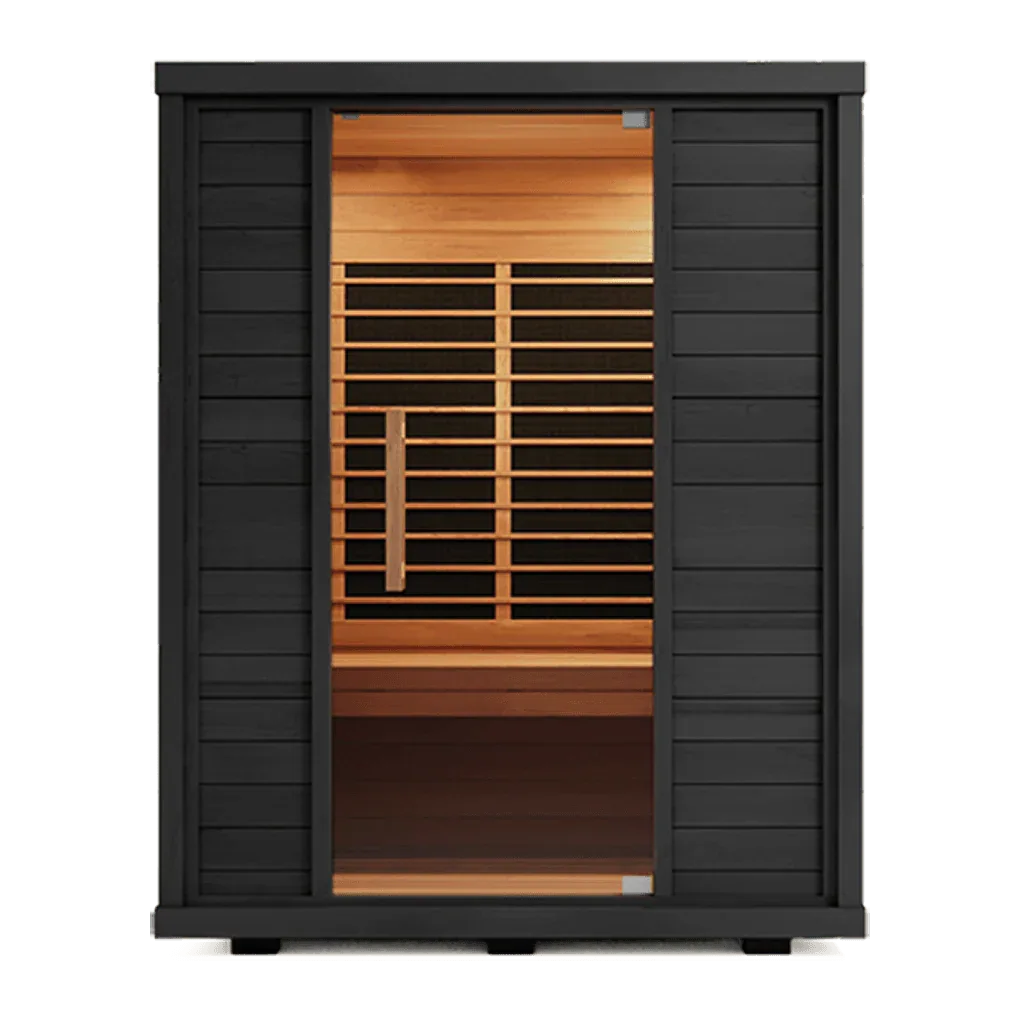
Premium cabins, such as the Sun Home Solstice Sun Home Saunas, mitigate this issue by using dual-shielded, reverse-polarity wiring. By running two currents in opposite directions, the magnetic fields cancel each other out, reducing emissions to under 3 milligauss at the body surface. Budget options often lack this level of shielding, leading to spikes in EMF near the connection terminals.
Standard Carbon Heater (Single Flow):
[Current +] ------------------------------> High Magnetic Field (EMF)

Shielded/Reverse-Polarity Heater:
[Current +] ------------------------------>
[Current -] <------------------------------ Opposing Fields Cancel (Low EMF)
Build Quality and Materials
The difference in build quality between budget and premium tiers is instantly noticeable in the choice of wood and structural thickness. Budget saunas frequently use thin, single-walled Canadian Hemlock panels that are held together with metal buckles. Over time, these panels can warp under intense thermal stress, leading to heat loss and drafts.
Premium models priced between $2000 and $3000 feature double-walled construction using sustainably harvested, kiln-dried Canadian Hemlock or Western Red Cedar. These woods are highly resistant to moisture, rot, and warping. Also premium manufacturers avoid cheap, toxic adhesives, ensuring that no volatile organic compounds (VOCs) off-gas when the cabin reaches its maximum operating temperature.
Warranty and Customer Support
The longevity of your investment depends heavily on the manufacturer's warranty and post-purchase support. Discount brands often provide a restrictive 1-year warranty that requires the buyer to pay for replacement parts shipping, a cost that can quickly add up for heavy glass doors or control units.
In contrast, premium brands stand behind their engineering with 5-year to lifetime warranties covering heaters, structural integrity, and electronics. This level of support ensures that you won't be left with an expensive, non-functional wooden box if a control panel fails down the line.
5 Best Low EMF Infrared Saunas Under $3000
The best low EMF saunas under $3000 include specific models like the JNH Lifestyles Joyous (budget) and the Sunlighten Solo (premium), each with third-party EMF certifications and solid warranties. To help you choose the right model, we have highlighted five top-rated saunas across different price points, focusing on safety, thermal efficiency, and long-term reliability.
Best Budget Pick Under $1500
The JNH Lifestyles Joyous 1-Person or 2-Person sauna is a popular entry-level option. Built with dual-wall Canadian Hemlock, this sauna features basic carbon heaters placed strategically around the cabin.
While the manufacturer claims low EMF, independent testing indicates that emissions are low near the center of the cabin, but can rise near the heater connections. For those on a tight budget who plan to use their sauna occasionally, the Joyous offers a reliable, no-frills thermal experience. But users sensitive to electromagnetic fields should maintain a few inches of distance from the heater panels.
Best Value Under $2000
For a balance of price and performance, the Dynamic Saunas Barcelona 1-to-2-person cabin is an excellent mid-range choice. This model features six low EMF carbon energy-efficient heating panels that operate on a standard 120V/15A household outlet.
Its thicker double-walled construction provides better heat retention than cheaper alternatives, allowing it to reach temperatures of up to 140°F in about 20 minutes. It is a reliable option for homeowners looking for plug and play infrared saunas that don't require expensive electrical upgrades.
Best Premium Pick Under $3000
If safety and performance are your top priorities, the premium tier offers exceptional build quality and advanced EMF mitigation.
Sun Home Solstice 1-Person Sauna
The Sun Home Solstice is a standout choice in this price bracket. It features carbon-ceramic heaters that generate a precise, therapeutically optimal wavelength of 9.4 microns, matching the body's natural emission frequency. Engineered with comprehensive electromagnetic shielding, the Solstice keeps EMF levels below 0.5 milligauss at body contact points. This model is constructed from premium, FSC-certified Canadian Hemlock, offering a solid cabin and high-end digital controls.
Sunlighten Solo System
For those with limited space, the Sunlighten Solo is a unique, premium alternative. This lay-down personal dome sauna is ideal for small apartments or multi-purpose rooms.
The Solo features Solocarbon heaters that are clinically shown to lower blood pressure and aid weight loss. Its close-proximity design delivers highly efficient infrared absorption, though it lacks the spacious, cabin-like feel of traditional saunas.
Sun Home Infrared Sauna Blanket
For the ultimate combination of portability, space efficiency, and premium performance, the Sun Home Infrared Sauna Blanket is an exceptional option. It delivers deep, therapeutic infrared heat using the same low EMF principles as full-sized cabins. This blanket is perfect for quick recovery sessions and can be easily folded and stored away after use, making it a great addition to any home.
How to Verify EMF Levels in an Infrared Sauna
To verify EMF levels, look for third-party test reports showing under 3 milligauss (mG), and be wary of manufacturers that don't provide independent certifications. Relying solely on a manufacturer's marketing materials can be risky, as there are no standardized industry regulations for labeling a sauna as "low EMF."
Understanding EMF Measurements and Safe Levels
Electromagnetic fields consist of two primary components: magnetic fields and electric fields. Magnetic fields are measured in milligauss (mG), while electric fields are measured in Volts per meter (V/m).
EMF / ELF Safety Thresholds:
┌─────────────────────────┬──────────────────────────────────┐
│ Safe Level │ Under 3 mG at body surface │
│ Caution Level │ 3-10 mG │
│ High Level │ Above 10 mG │
└─────────────────────────┴──────────────────────────────────┘
For low EMF saunas, the goal is to keep magnetic field exposure below 3 milligauss (mG) at any point where your body might contact the cabin. This threshold is based on guidelines from building biology and environmental health experts. To verify a sauna's EMF output, request the manufacturer's independent test report, which should list measurements taken at various body contact points. If a company only provides vague claims like "low EMF" without a report, treat it as a red flag.
Third-Party Testing and Certifications
Independent, third-party laboratory reports are the gold standard for verifying EMF safety. These reports are conducted by entities like EMFanalytics or similar certified labs, which measure emissions at specified distances from the heaters. When reviewing a report, check that it includes both magnetic field and electric field readings, and that it lists the exact locations where measurements were taken. Certifications like ETL and FCC indicate compliance with electrical safety and electromagnetic interference standards, but they do not specifically verify low EMF levels, so separate EMF testing is essential.
Long-Term Value: Warranties, Support, and Durability
When evaluating long-term value, consider the warranty, customer service, and durability of the sauna, as these factors often differentiate budget from premium models. A low upfront price can be offset by high repair costs or short lifespans.
What to Expect from Budget vs Premium Warranties
Budget brands typically offer 1-2 year limited warranties that may not cover shipping or labor costs, leaving you to pay for replacements. Premium brands, however, often provide 5-year to lifetime coverage on heaters, cabinetry, and electronics, which reflects confidence in their products. For example, JNH Lifestyles offers only a 2-year warranty, while Sun Home Saunas provides a 5-year warranty on its Solstice model, a significant difference in coverage.
Customer Support and After-Sales Service
Customer support quality can vary widely. Budget manufacturers may have limited phone support or slow response times, whereas premium brands often offer dedicated support teams, online resources, and replacement parts readily available. When researching, check independent reviews for comments about support responsiveness, as this can be a critical factor if issues arise.
Durability and Build Quality Over Time
Durability is linked to the materials and construction. Budget saunas with single-walled panels and basic glue may warp or degrade within a few years, while premium models with double-walled, kiln-dried hardwoods and tongue-and-groove joinery can last decades. Also non-toxic glues and low-VOC finishes in premium models ensure healthier indoor air, which is particularly important given the high temperatures inside a sauna.
Frequently Asked Questions
What is a safe level of EMF in an infrared sauna?
A safe level is generally considered to be under 3 milligauss (mG) at body contact points. Look for third-party test reports to confirm low emissions.
How can I test EMF levels in a sauna at home?
You can use a gauss meter, available from electronics retailers, to measure magnetic fields at various body contact points inside the sauna. Ensure the sauna is operating at full temperature for accurate readings.
What is the difference between carbon and ceramic heaters in terms of EMF?
Carbon heaters are typically lower in EMF than ceramic heaters because they can be designed with shield and reverse-polarity wiring. Ceramic heaters often produce higher EMF unless specifically shielded.
For more on optimizing your sauna experience, see our guides on sauna for sleep and cold plunge tubs reviews.