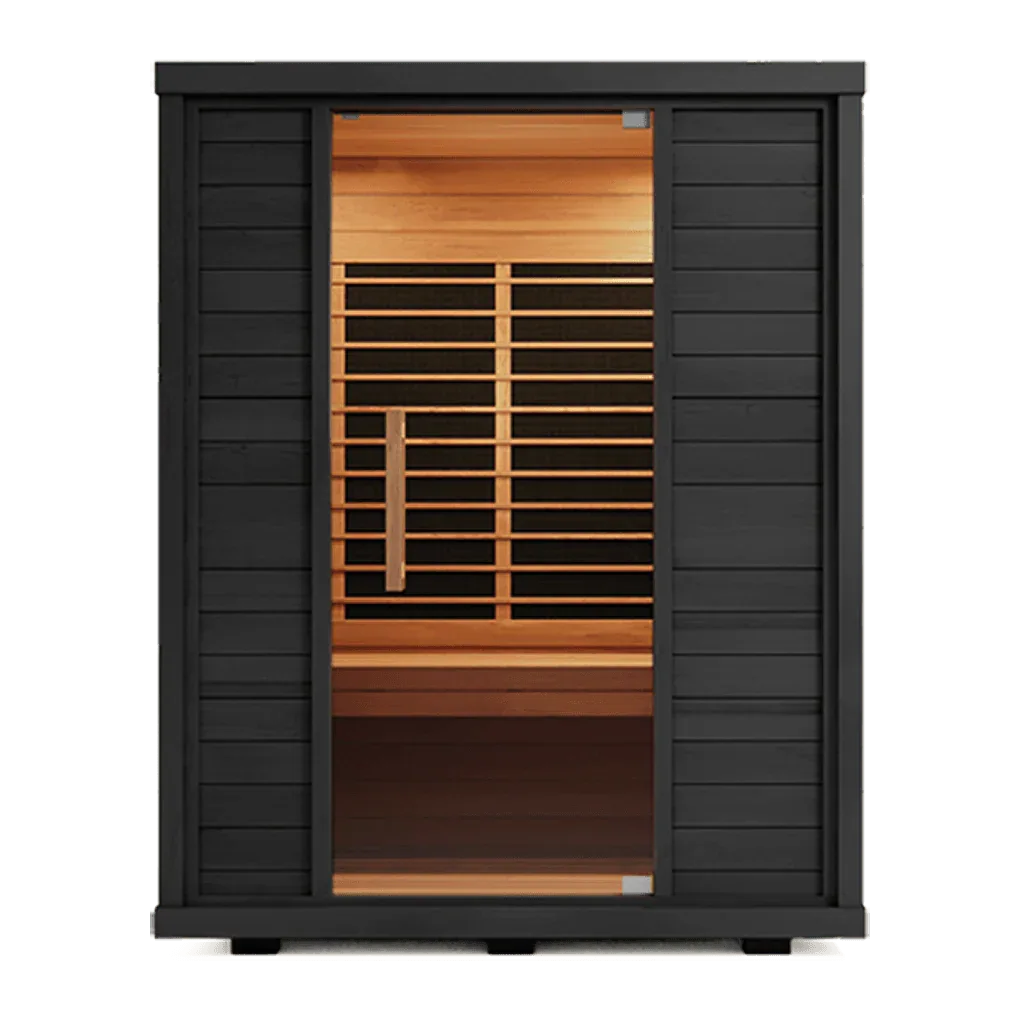

Imagine stepping into a sanctuary of absolute stillness at the end of a grueling week. The gentle aroma of Canadian red cedar fills the air as a deep, enveloping warmth penetrates your muscles, melting away tension and quietening a hyperactive nervous system. This is the promise of the modern home infrared sauna: a private retreat designed to restore sleep, accelerate muscle recovery, and provide a vital buffer against daily stress. But as you lean back to absorb this therapeutic warmth, an invisible engineering challenge is playing out just inches from your skin. While infrared light works wonders on a cellular level, the electrical elements that generate this heat can also emit high levels of electromagnetic fields (EMF). To turn your home sauna into a true healing sanctuary, the raw therapeutic power of infrared photons must be delivered without the cellular disruption caused by stray magnetic fields. Achieving this balance requires shifting away from marketing jargon and diving deep into the rigorous physics of low-EMF engineering.
Photobiological Requirements for Deep IR Penetration
To understand the necessity of low-EMF design, we must first examine how infrared light interacts with human physiology. Under the international standard ISO 20473, the infrared spectrum is divided into three distinct bands: Near-Infrared (IR-A: 780–1400 nm), Mid-Infrared (IR-B: 1400–3000 nm), and Far-Infrared (IR-C: 3000 nm to 1 mm). Each band serves a unique therapeutic purpose based on its physical penetration depth and biological target.
Near-infrared light (IR-A) possesses the unique ability to penetrate deep into the dermal layers, reaching up to 5 mm beneath the skin's surface. At this depth, these photons are absorbed by cytochrome c oxidase (COX), a key copper-containing enzyme within the mitochondrial respiratory chain. This photoactivation process helps displace nitric oxide from the active site of COX, reversing the cellular inhibition associated with the Warburg effect. This allows oxygen to bind efficiently once more, boosting mitochondrial membrane potential and accelerating the synthesis of adenosine triphosphate (ATP). Meanwhile, Far-infrared light (IR-C) is primarily absorbed by water molecules in the upper epidermal layers, causing them to vibrate and generate a deep, purifying sweat at lower, more comfortable air temperatures. Elevating cellular energy production while inducing this deep sweat is the core mechanism of sauna therapy. But this delicate biological cascade can be easily disrupted if the body is simultaneously subjected to intense, alternating electromagnetic fields from the heating panels themselves. For those seeking to maximize this cellular recovery, choosing a highly optimized system like the Sun Home Equinox ensures you receive targeted spectral purity without these unwanted electromagnetic interferences. Sun Home Saunas
Magnetic Field Sources in Conventional Heaters
In a standard infrared sauna, heat is generated by passing alternating current (AC) through carbon-fiber sheets or quartz-rod elements. While this process is highly efficient at converting electrical energy into radiant heat, it also acts as an unintended source of electromagnetic fields. According to Ampere's Law, any electrical current flowing through a conductor generates a perpendicular magnetic field. Because household power operates on an alternating current (50 or 60 Hz), these magnetic fields oscillate at the same frequency, creating extremely low-frequency magnetic fields (ELF-MF).
In conventional carbon-panel heaters, thin conductive pathways run horizontally or vertically across large sheets. When high-amperage current flows through these pathways in a single direction, it creates a broad magnetic field that projects outward, perpendicular to the panel's surface. At a distance of 0 to 10 centimeters, precisely where a user rests their back against the cedar support slats, these unshielded elements can produce magnetic flux densities ranging from 2.0 µT to over 10.0 µT (20 to 100 milligauss). Quartz heaters can generate even more concentrated hot spots of magnetic flux because their currents run through tight, single-strand resistive coils. To prevent these magnetic fields from interfering with your body's natural recovery processes, these heating elements require careful structural redesign.
Cellular Disruption From Sauna Operating Frequencies
While the thermal energy from infrared light supports cellular repair, exposing the body to high-intensity 50/60 Hz alternating magnetic fields can trigger counterproductive biological responses. Extremely low-frequency electromagnetic fields (ELF-EMF) have been shown to induce subtle eddy currents within extracellular and intracellular fluids. These currents can alter the voltage-gated calcium channels (VGCCs) in cell membranes, causing an abnormal influx of calcium ions ($Ca^{2+}$) into the cytoplasm. This disruption in calcium signaling can activate inflammatory pathways and interfere with the cell's natural recovery cycle.
On a mitochondrial level, strong magnetic fields can destabilize the delicate iron-sulfur [4Fe-4S] clusters found in aconitase, an essential enzyme within the citric acid cycle. This destabilization releases labile iron ($Fe^{2+}$) into the mitochondrial matrix, where it reacts with naturally occurring hydrogen peroxide ($H_2O_2$) via Fenton chemistry. This reaction produces highly reactive hydroxyl radicals ($\cdot OH$), which can damage mitochondrial membranes, proteins, and DNA through oxidative stress. Also prolonged exposure to these power-frequency magnetic fields during evening sauna sessions can suppress the body's natural melatonin production, reducing sleep quality. Designing a low-EMF sauna is therefore not about marketing jargon; it is a critical engineering requirement to protect your body's cellular recovery and sleep cycles.
Shielding Topologies: Canceling Magnetic Flux
To eliminate these unwanted magnetic fields without reducing infrared heat output, sauna engineers use advanced electrical shielding techniques. The most effective method is known as bifilar winding. In a bifilar configuration, two parallel resistive conductors are placed close together, and the electrical current is routed in opposite directions through each path. Because the currents are equal in magnitude but opposite in direction, their resulting magnetic fields are 180 degrees out of phase, effectively canceling each other out ($B_{net} \approx 0$).
Bifilar Cancellation Principle:

Current In [========>] Generates magnetic field B1
Current Out [<========] Generates opposite field B2 (180° out of phase)

Result: B1 + B2 = Net Magnetic Flux near zero (<0.1 µT)
For ultra-low EMF performance, manufacturers often pair bifilar-wound elements with high-permeability shielding materials like Mu-metal, a specialized nickel-iron alloy (roughly 80% nickel, 15% iron, along with molybdenum and silicon). Mu-metal acts as a low-resistance path for magnetic flux lines, capturing and redirecting residual magnetic fields away from the user. Another highly effective approach is using DC-drive architectures. By converting high-voltage household AC power into low-ripple Direct Current (DC) before it reaches the heating panels, engineers can eliminate the 50/60 Hz oscillating magnetic fields entirely. Portable setups, such as specialized personal tents, can also use unique geometry and mechanical shielding to deliver a low-EMF experience. For instance, the SaunaSpace Luminati uses near-infrared incandescent emitters paired with careful physical shielding to minimize EMF exposure in a highly focused therapeutic space.
Measurement Protocol: Verifying True Low EMF
When evaluating a sauna's safety claims, it is essential to look at objective engineering standards. Many manufacturers state their heaters are 'low EMF' but conduct measurements at a distance of 30 centimeters (12 inches) away from the panel. This is misleading, as sauna users regularly lean directly against the backrests, placing their tissues within 1 to 5 centimeters of the heating element.
To ensure accurate safety data, testing should follow the strict guidelines of ICNIRP 2010 and IEC 62233, with measurements taken at 'zero-distance' (direct contact with the heater grate or fabric). This testing requires a calibrated, laboratory-grade triaxial fluxgate magnetometer. A triaxial probe measures the magnetic flux density across three perpendicular axes ($X, Y, Z$) simultaneously, calculating the true magnetic field strength ($B_{total}$) using the formula:
$$B_{total} = \sqrt{B_x^2 + B_y^2 + B_z^2}$$
While the ICNIRP limit for general public exposure to 50/60 Hz magnetic fields is 200 µT, biological research suggests that keeping fields below 0.3 µT (3 mG), and ideally under 0.1 µT (1 mG) at zero-distance, is optimal for sensitive cellular environments. When evaluating a sauna, always ask for independent, third-party laboratory reports that confirm zero-distance testing across the entire surface of the heater.
Trade-Offs: Emissivity and Spectral Shift
Designing a low-EMF heater involves balancing several engineering trade-offs, particularly regarding thermal emissivity, spectral purity, and thermal mass. Adding heavy metallic shielding or extra insulation layers can reduce the surface temperature of the carbon or quartz elements. According to Wien's Displacement Law, the peak emission wavelength of a blackbody radiator is inversely proportional to its absolute temperature:
$$\lambda_{max} = \frac{b}{T}$$
If an ultra-low EMF design lowers the heater's operating temperature too much, the peak emission wavelength shifts further into the far-infrared region (beyond 9.5 µm). While far-infrared light is therapeutic, a significant drop in temperature can reduce the heater's overall radiant efficiency, converting less electrical energy into infrared heat and more into warm convective air. To prevent this, premium saunas use advanced carbon-graphene composite panels. These panels maintain a high emissivity rating ($\varepsilon \approx 0.95$ to $0.98$) and consistent surface temperatures, ensuring a balanced blend of therapeutic near-, mid-, and far-infrared wavelengths while keeping magnetic flux below 0.1 µT.
Frequently Asked Questions
What are the different types of infrared light used in saunas and how do they benefit the body?
Under the ISO 20473 standard, infrared light is divided into Near-Infrared (IR-A), Mid-Infrared (IR-B), and Far-Infrared (IR-C). Near-infrared penetrates up to 5 mm beneath the skin to reach mitochondria, boosting ATP synthesis and cellular energy. Meanwhile, Far-infrared light is absorbed by water molecules in the upper epidermal layers, generating a purifying sweat at comfortable temperatures.
Why do standard infrared saunas emit high levels of electromagnetic fields (EMF)?
Standard saunas generate heat by passing alternating current (AC) through carbon-fiber sheets or quartz-rod elements. According to Ampere's Law, this flowing electrical current generates a perpendicular, oscillating magnetic field at 50 or 60 Hz. Unshielded elements in conventional saunas can produce magnetic flux densities ranging from 2.0 µT to over 10.0 µT right where a user rests their back.
How does high EMF exposure affect human cells and recovery?
Exposing the body to high-intensity alternating magnetic fields can induce eddy currents that alter voltage-gated calcium channels, triggering inflammatory pathways. On a cellular level, these fields can destabilize iron-sulfur clusters in the mitochondrial enzyme aconitase, leading to oxidative stress from harmful hydroxyl radicals. Also this exposure during evening sessions can suppress natural melatonin production and reduce sleep quality.
Related Reading
Pros
- Bifilar-wound heaters cancel magnetic fields, keeping zero-distance exposure below 0.5 mG.
- Full-spectrum output delivers targeted IR-A, IR-B, and IR-C wavelengths for optimal recovery.
- Premium, double-walled Canadian cedar construction offers excellent insulation and durability.
- Backed by a comprehensive lifetime warranty and flexible financing options.
Cons
- Requires a dedicated electrical circuit and a larger initial footprint than portable options.
- High-end engineering and advanced shielding materials carry a premium initial investment.
Technical Verdict
When choosing a home sauna, separating marketing claims from actual physics is key to protecting your health. To create a true healing sanctuary, look for designs that use bifilar winding, Mu-metal shielding, or DC-driven heating elements to reduce electromagnetic fields. The Sun Home Equinox successfully balances these advanced shielding techniques with high-emissivity carbon-graphene panels, delivering a deep, cellular recovery experience without unwanted electromagnetic interference.
→ Explore Specs & Pricing