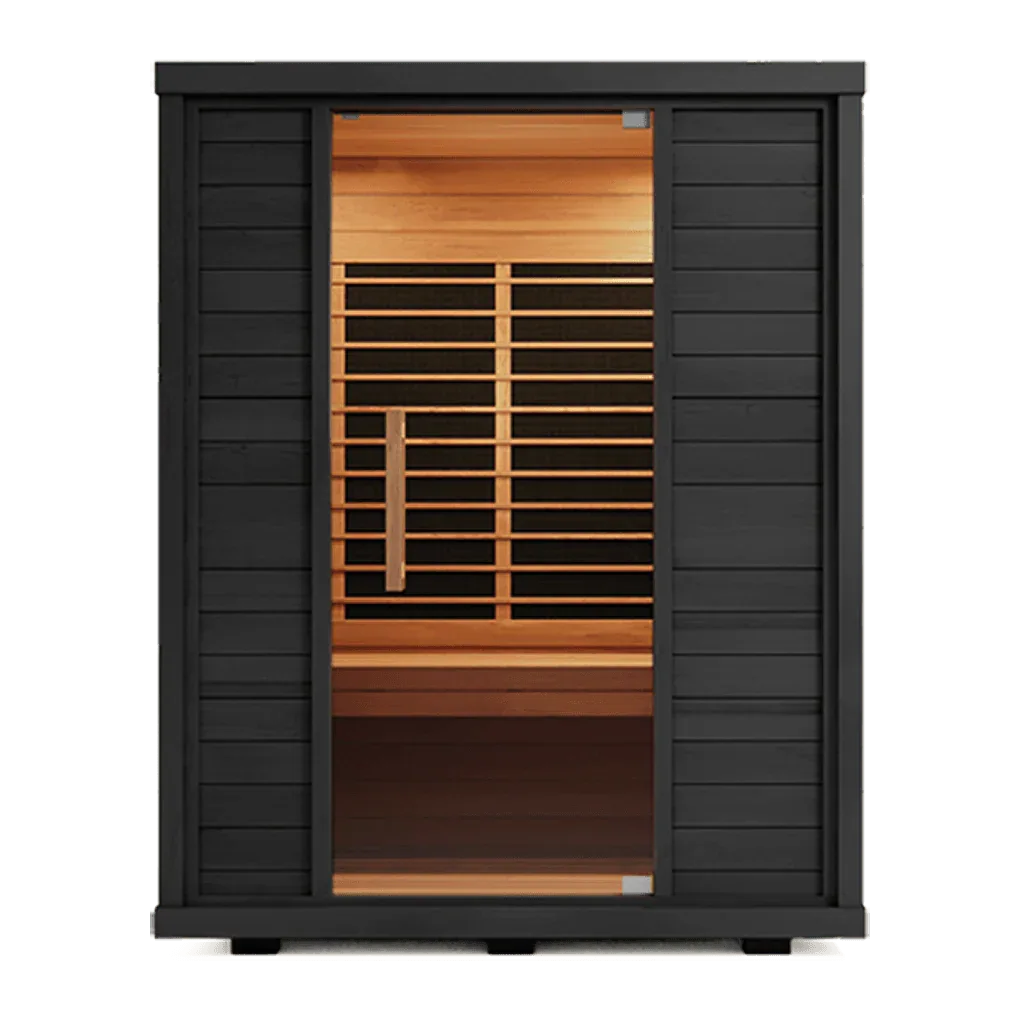

Imagine crossing the threshold of your home after a high-stress day, leaving the noise of the world behind as you step into a deeply warming private sanctuary. The gentle, enveloping heat of a premium far-infrared sauna immediately begins to melt the tension from your shoulders, soothing your nervous system and preparing your body for a night of deep, restorative sleep. This isn't just a home upgrade; it is a permanent lifestyle transformation, a dedicated space for daily recovery, mindfulness, and longevity. However, when evaluating high-end home saunas, the investment can seem significant. To truly understand why premium models command a higher price, we must look beyond the aesthetic appeal and examine the precise physics, biological mechanisms, and rigorous engineering that justify every dollar.
Thermal Dielectric Penetration Depth: Why 9–10 µm Justifies the Premium
The primary differentiator of a premium far-infrared sauna lies in its ability to emit light at the exact wavelength required for deep cellular penetration. According to ISO 20473, the infrared spectrum is strictly categorized, with far-infrared occupying wavelengths from 3.0 µm up to 1000 µm. However, not all far-infrared wavelengths are created equal when interacting with human tissue.
Human skin is composed of approximately 70% water. Water molecules exhibit a strong electromagnetic resonance peak near 9.4 µm. When a sauna's heating elements are engineered to emit primarily within the narrow 9 to 10 µm band, the radiant energy matches this molecular resonance. Instead of being scattered or absorbed superficially at the skin surface (which is what happens with cheaper, high-temperature ceramic heaters emitting at 4 to 6 µm), this resonant energy penetrates up to 40 mm into the subcutaneous tissue.
This deep thermal penetration directly drives vasodilation. As the radiant energy penetrates the subcutaneous layers, it excites water molecules, causing mild localized heat stress that stimulates the release of nitric oxide from the vascular endothelium. This expands blood vessels, decreases peripheral vascular resistance, and dramatically increases blood flow without forcing the heart to work under high-pressure conditions. Premium cabins like the Sun Home Equinox use advanced carbon heater configurations to maximize this exact wavelength band, ensuring that your body absorbs the maximum therapeutic energy per minute of exposure. Sun Home Saunas
True Carbon™ Manufacturing vs. Ceramic Heater Cost Structures
When assessing sauna construction, the difference in cost between carbon-based heaters and traditional ceramic heaters is rooted in material science and manufacturing precision. Cheap saunas often rely on ceramic rods or thin ceramic plates. Ceramic is inexpensive to produce and heats up to incredibly high surface temperatures (often exceeding 350°F). However, because the surface area of a ceramic rod is small, it produces a highly concentrated, harsh heat that can cause uncomfortable hot spots and limit your session time.
In contrast, premium carbon fiber heating panels distribute heat across a massive surface area. True Carbon™ technology involves bonding micro-fine carbon fibers between flexible dielectric layers under high pressure. This engineering hurdle allows the panels to operate at a much lower, safer surface temperature (around 110°F to 130°F) while emitting a highly uniform, gentle field of far-infrared energy. Producing these large, stable carbon sheets requires clean-room manufacturing and expensive raw materials, driving up the initial purchase price but delivering a far superior, therapeutic cabin environment that you can comfortably enjoy for 40 to 60 minutes at a time.
HSP70 Dose-Response Curves: Sauna Time Equivalents Across Wavelengths
To achieve a true biological transformation, a sauna must trigger the body's natural defense mechanisms, specifically, the upregulation of Heat Shock Protein 70 (HSP70). HSP70 acts as a cellular chaperone, repairing damaged proteins, preventing protein aggregation, and protecting cells against oxidative stress.
However, triggering this pathway requires a sustained elevation of core body temperature by approximately 1.0°C to 1.5°C. With low-cost ceramic heaters, the intense surface heat often forces the user to exit the sauna due to skin discomfort before their core temperature rises sufficiently. This creates an inefficient dose-response curve, requiring longer, more painful sessions to achieve minimal cellular benefit.
Premium carbon-panel saunas provide a highly efficient dose-response. Because the 9.4 µm wavelength penetrates deeply and uniformly, core temperature rises steadily and comfortably. Studies in cell biology indicate that a 40-minute session in a high-emissivity far-infrared environment significantly upregulates HSP70 and activates the Nrf2 pathway, which coordinates the expression of antioxidant genes. If you are looking for a highly efficient home solution that fits into a busy schedule, a portable alternative like the Infrared Sauna Blanket offers a direct, high-emissivity thermal wrap that maximizes heat retention and cellular recovery at a fraction of the footprint.
Low-EMF and Non-Toxic Materials: ASTM/UL Compliance Costs
A sanctuary cannot truly offer healing if it introduces environmental toxins. This is where premium engineering and safety certifications justify their cost. Budget saunas are often constructed using cheap glues, synthetic wood composites, and unshielded electrical wiring. When heated, these glues off-gas volatile organic compounds (VOCs), which you then inhale deeply during your session.
Also unshielded heating elements emit high levels of Electromagnetic Fields (EMF) and Extremely Low Frequency (ELF) radiation. Premium manufacturers invest heavily in mitigation technologies, sourcing premium, sustainably harvested woods like Canadian Halogen-free Hemlock or Western Red Cedar that naturally resist decay without chemical treatments. They also use double-shielded wiring configurations and carbon panels that cancel out magnetic fields, keeping EMF levels well under 3 mG at a distance of 12 inches. Meeting strict ETL and UL safety standards requires rigorous, independent third-party testing, adding to the development cost but ensuring absolute safety for your daily sanctuary.
Lifetime Total Cost of Ownership: Heater Degradation Curves
When evaluating the cost of a sauna, it is vital to look at the total cost of ownership rather than just the initial price tag. Low-grade ceramic and cheap carbon heaters degrade rapidly over time. Under repeated thermal cycling, the materials expand and contract, causing the micro-fractures in ceramic elements or the breakdown of low-end carbon adhesives. This leads to a steep decline in emissivity, meaning that within 2 to 3 years, a cheap sauna will emit far less therapeutic infrared energy and draw more electricity.
High-end carbon-fiber heating systems are rated for a lifespan of over 10,000 hours. Because they operate at lower surface temperatures and use premium aerospace-grade polymers, they show virtually zero emissivity degradation over decades of daily use. Also premium brands offer lifetime warranties and solid customer support, transforming a major upfront purchase into a secure, lifetime investment in your health. To make this investment accessible, flexible financing plans (often starting as low as $199/month) are available to eliminate purchase friction and allow you to build your sanctuary today.
Installation Subsidies and ROI: Healthspan vs. Real Estate Premium
Beyond the direct physiological benefits, a premium home sauna adds tangible value to both your real estate and your personal healthspan. Installing a beautiful, well-engineered cabin creates a dedicated wellness space that enhances the appeal and value of your home. It functions as a luxurious architectural feature that speaks directly to modern homebuyers prioritizing health and self-care.
More importantly, the return on investment in your healthspan is unmatched. By dedicating 30 to 45 minutes a day to deep thermal therapy, you are actively investing in cardiovascular health, improved sleep quality, and reduced stress hormones. When compared to the ongoing costs of boutique wellness club memberships, massage therapy, or medical interventions for stress-related ailments, a private home sanctuary pays for itself rapidly, making it one of the most practical and high-yielding investments you can make for your long-term vitality.
Pros
- Optimized 9.4 µm wavelength for deep, resonant tissue penetration
- Ultra-low EMF and zero-VOC construction ensures absolute safety
- Extremely long lifespan with virtually zero heater degradation over 10,000+ hours
Cons
- Higher initial financial investment compared to basic budget models
- Requires dedicated floor space and a stable power source
Technical Verdict
Every aspect of a premium far-infrared sauna—from the precise engineering of its 9.4 µm carbon heating panels to its third-party certified low-EMF construction—is optimized to deliver genuine therapeutic results. While cheap models offer superficial heating, a high-end system represents a scientifically validated investment in your long-term cellular health, physical recovery, and mental well-being.
→ View Specs & Pricing