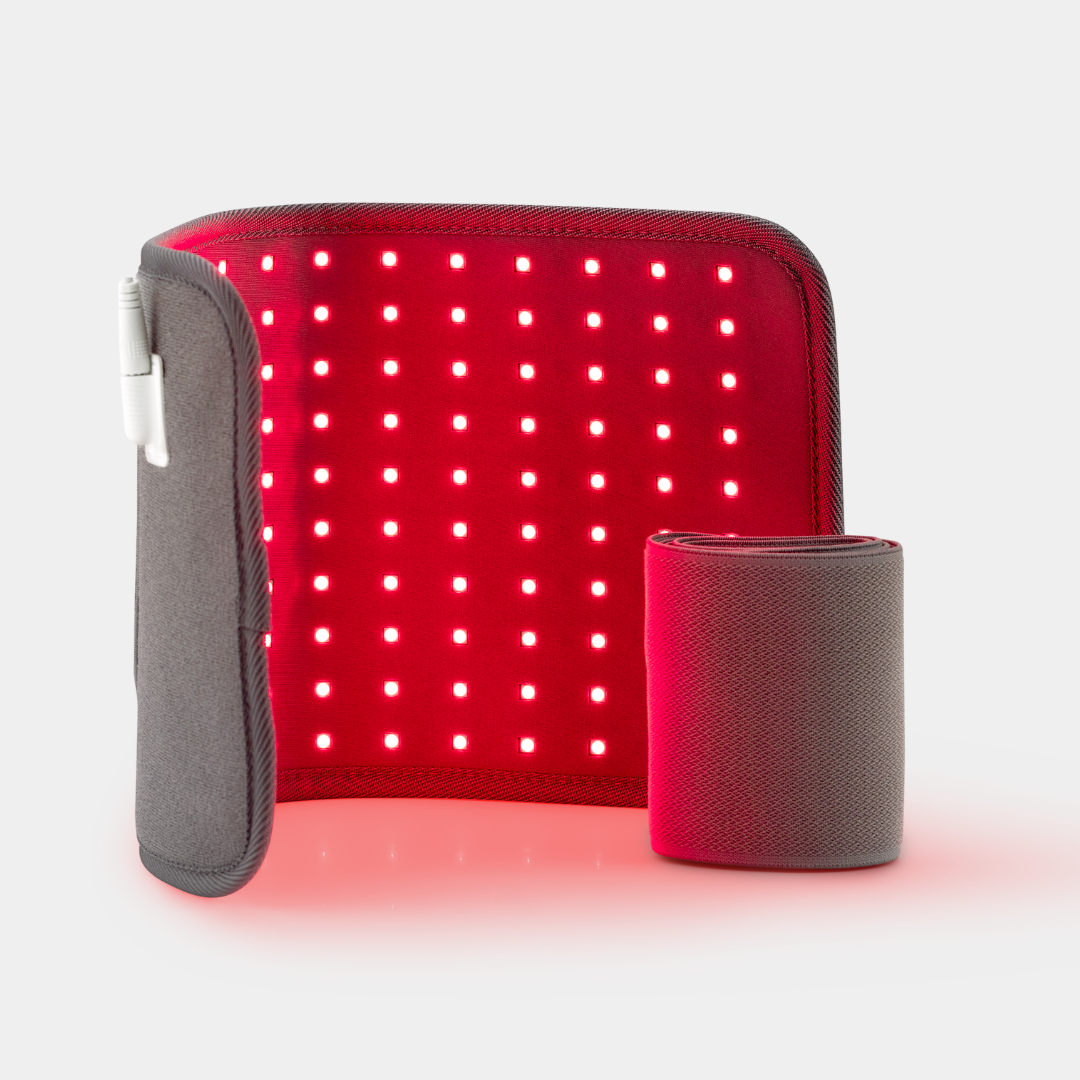

Red light panels provide the stronger value for focused muscle recovery because they cost less upfront and consume less electricity than infrared saunas. Their light targets mitochondria directly, while sauna heat supports recovery through blood flow and heat shock proteins. An infrared sauna provides additional systemic relaxation and cardiovascular benefits, and using both technologies produces the broadest recovery results.
Both systems promise to alleviate delayed onset muscle soreness (DOMS), accelerate cellular repair, and restore autonomic nervous system balance. But they achieve these outcomes through fundamentally different pathways and at wildly divergent price points. If you are standing at the crossroads of this investment, deciding between a red light therapy panel vs infrared sauna for muscle recovery which is better for the money requires a rigorous, data-driven analysis of physiological mechanisms, initial capital expenditures, and long-term operating costs.
How Red Light Therapy Boosts Muscle Recovery
Red light therapy accelerates muscle recovery by stimulating mitochondria to produce more ATP, reducing inflammation and oxidative stress in muscle cells.
Mechanism: Photobiomodulation
At the core of red light therapy is a process known as photobiomodulation (PBM). Rather than using heat to elicit a physiological change, PBM relies on specific wavelengths of light, typically red light (630–660 nm) and near-infrared light (810–850 nm), to penetrate epidermal and dermal layers.
Once these photons reach the muscle tissue, they are absorbed by a primary photoreceptor inside the cell's mitochondria: cytochrome c oxidase. This absorption stimulates the mitochondrial respiratory chain, accelerating the synthesis of Adenosine Triphosphate (ATP).
[Photons (660nm/850nm)] ---> [Cytochrome C Oxidase] ---> [Increased ATP Synthesis] ---> [Rapid Muscle Repair]
This sudden influx of cellular energy allows damaged fibers to undergo transcription, translation, and protein synthesis at a vastly accelerated rate. Also PBM triggers a mild, transient burst of reactive oxygen species (ROS) that acts as a signaling mechanism to upregulate the body's endogenous antioxidant defenses, mitigating post-exercise muscle damage before it compound-intensifies.
Evidence for Muscle Recovery
The body of peer-reviewed research supporting PBM for athletic applications is remarkably solid. A landmark study by Ferraresi et al. (2012) demonstrated that applying photobiomodulation to major muscle groups prior to high-intensity exercise significantly delayed the onset of muscle fatigue and reduced post-workout levels of creatine kinase, a key blood biomarker for muscle damage.
For optimal therapeutic delivery, users generally target specific muscle beds for 10 to 20 minutes per session, 3 to 5 times per week. The targeted light delivery is highly localized, allowing you to flood a fatigued quad, bicep, or shoulder with high-density energy. This targeted biological stimulation is even being used in specialized areas, such as using red light therapy for gums to resolve localized mucosal inflammation.
How Infrared Saunas Facilitate Muscle Recovery
Infrared saunas improve muscle recovery by increasing blood flow and inducing heat shock proteins that aid in cellular repair and reduce soreness.
Heat and Circulation
Unlike traditional Finnish saunas that rely on convection to heat the ambient air, an infrared sauna utilizes radiant emitters. These emitters generate infrared wavebands that penetrate deep into subcutaneous tissue, heating the body's core directly.
According to ISO 20473, the infrared spectrum is strictly divided into Near-Infrared (0.78 to 3.0 μm), Mid-Infrared (3.0 to 50.0 μm), and Far-Infrared (50.0 to 1000.0 μm). Standard home cabins primarily use Far-Infrared (FIR) radiant heaters, which peak near the 9.4 μm mark, the exact resonance frequency of water molecules in human tissue.
[FIR Emitters (9.4μm)] ---> [Resonates Water Molecules] ---> [Deep Core Temperature Rise] ---> [Massive Vasodilation]
This molecular resonance improves core temperature safely within a 120°F to 150°F (49°C to 66°C) range. This deep thermal penetration triggers a massive vasodilatory response. Capillaries expand, stroke volume increases, and peripheral blood flow surges by up to 200%. This systemic deluge of highly oxygenated, nutrient-rich blood flushes metabolic byproducts (such as lactic acid) out of fatigued muscles, while simultaneously bathing damaged myofibrils in the raw materials needed for recovery.
Heat Shock Proteins and Muscle Repair
The true biological magic of systemic thermal therapy lies in the activation of heat shock proteins (HSPs), particularly HSP70. When your core temperature rises by approximately 1.5°C (reaching the precise biological HSP70 threshold in infrared saunas), your body initiates a highly coordinated cellular stress response.
HSPs act as molecular chaperones. They prevent proteins from denaturing under stress, assist in refolding damaged structural proteins within muscle cells, and prevent muscle atrophy.
A study by Sutkowy et al. (2014) observed that regular infrared heat exposure significantly lowered systemic oxidative stress markers post-exercise while improving overall lipid peroxidation profiles. Also the deep sweating induced by these longer sessions (typically 20 to 45 minutes, 3 to 4 times per week) helps transition the autonomic nervous system from a sympathetic "fight-or-flight" state into a parasympathetic "rest-and-digest" state, which is crucial for deep sleep and structural tissue remodeling.
Comparing the Science: Which Has More Evidence for Muscle Recovery?
Red light therapy has more direct scientific evidence for muscle recovery, while infrared saunas show benefits through general heat and circulation improvements.
When evaluated head-to-head, the scientific literature presents a fascinating contrast between targeted cellular bioenergetics and systemic cardiovascular conditioning.
Red Light Therapy Evidence
Because photobiomodulation does not rely on systemic heat, researchers can isolate its effects more easily in double-blind, sham-controlled trials. The consensus in sports medicine is that PBM possesses the most direct, localized evidence for reducing muscle soreness, preserving muscle force production capacity post-workout, and minimizing markers of muscle damage like lactate dehydrogenase (LDH).
Because PBM directly targets mitochondrial respiration, it prevents the cellular energy depletion that leads to secondary muscle damage following grueling eccentric training sessions.
Infrared Sauna Evidence
Infrared sauna research leans heavily on the systemic benefits of passive heat therapy. While it is highly effective at boosting plasma volume, enhancing cardiovascular endurance, and relieving overall joint stiffness, its impact on local muscle protein synthesis is more indirect.
The primary driver is the systemic circulatory flush and the down-regulation of the sympathetic nervous system. Some marketing claims suggest saunas offer superior detoxification, but as detailed in our analysis of the sauna detox myth explained, the primary recovery benefit of a sauna session is circulatory, thermal, and neurological, rather than heavy metal elimination through sweat.
Head-to-Head Comparison
To help you visualize how these two modalities stack up scientifically, consider the primary recovery markers analyzed below:
While both therapies are highly effective, red light therapy is the scientific victor for raw, localized cellular muscle repair. But the infrared sauna remains unmatched for systemic recovery, joint mobilization, and mental relaxation.
Cost Breakdown: Initial Investment vs Long-Term Operating Costs
Red light therapy panels cost significantly less upfront and have lower operating costs than infrared saunas, making them more affordable per session over time.
To understand which option is truly better for the money, we must calculate the total cost of ownership (TCO) over a five-year horizon. This includes the initial purchase price, shipping, assembly, and ongoing electricity cost.
Upfront Costs
High-quality red light therapy panels range from $200 for a targeted, hand-held or small tabletop device to $1,500 for a full-body, high-irradiance vertical setup. Brands like Joovv, PlatinumLED, and Mito Red Light dominate this space.
In contrast, a high-quality, low-EMF wooden home infrared sauna starts at roughly $2,000 for a compact, one-person unit and can easily exceed $6,000 to $8,000 for a premium multi-person cabin. For an in-depth breakdown of these cabin costs, read our Clearlight sauna cost analysis.
Electricity Consumption
The ongoing operational expenses paint an even starker picture. Let's calculate the cost of running a premium red light therapy panel versus a mid-sized infrared sauna cabin, assuming a standard US residential electricity rate of $0.16 per kilowatt-hour (kWh).
-
Red Light Therapy Panel (e.g., 300W draw): $$\text{Power Consumption} = 0.3 \text{ kW}$$ $$\text{Session Length} = 15 \text{ minutes } (0.25 \text{ hours})$$ $$\text{Energy per Session} = 0.3 \text{ kW} \times 0.25 \text{ hours} = 0.075 \text{ kWh}$$ $$\text{Cost per Session} = 0.075 \text{ kWh} \times $0.16/\text{kWh} = $0.012 \text{ (just over one cent)}$$
-
Infrared Sauna Cabin (e.g., 1800W draw): $$\text{Power Consumption} = 1.8 \text{ kW}$$ $$\text{Session Length} = 45 \text{ minutes } (\text{including } 15 \text{ min warm-up} = 0.75 \text{ hours})$$ $$\text{Energy per Session} = 1.8 \text{ kW} \times 0.75 \text{ hours} = 1.35 \text{ kWh}$$ $$\text{Cost per Session} = 1.35 \text{ kWh} \times $0.16/\text{kWh} = $0.216 \text{ (roughly } 22 \text{ cents)}$$
While 22 cents per session is highly affordable compared to commercial wellness studio fees, the cumulative annual operational and pre-heating expenses make the sauna noticeably more expensive to run over time.
Maintenance and Lifespan
Solid-state LEDs are incredibly durable. Most high-end panels boast a lifespan of 50,000 hours. If used for 20 minutes every single day, those LEDs will last over 400 years. There is virtually zero maintenance.
Sauna heaters (carbon or ceramic) typically last between 5,000 and 10,000 hours. While this is still a lifetime of use for a home user, the wooden cabin itself is subject to humidity, sweat absorption, warping, and electrical contact wear.
To compare the financial investment over five years, let's examine the numbers side-by-side:
Convenience, Space, and Installation: Which Fits Your Lifestyle?
Red light therapy panels are more compact and easier to install than infrared saunas, making them ideal for those with limited space.
Space requirements are a major differentiator. A red light therapy panel is a flat, wall-mounted device that takes up minimal floor space. You can easily install it in a bedroom, home gym, or even a closet. In contrast, an infrared sauna is a bulky cabin that requires dedicated floor space, typically at least 4 feet by 4 feet, and often needs a dedicated 120V or 240V electrical circuit.
Installation for a panel is straightforward: mount it on a wall, plug it in, and you're ready. Saunas may require assembly and, in some cases, professional electrical work. If you live in an apartment or have limited space, a panel is the obvious choice.
Safety, Certifications, and Buying Considerations
When choosing between a red light therapy panel and an infrared sauna, safety certifications are crucial to ensure product quality and safety.
Look for devices that are FDA-cleared or have ETL/CE certifications. For red light therapy panels, reputable brands like Joovv and Mito Red Light provide these certifications. For saunas, check that the cabin is ETL-listed and complies with US safety standards.
Also consider warranty and customer support. Most premium panels come with a 2-3 year warranty, while saunas often have 5-10 year structural warranties. Read reviews and ensure the brand has responsive customer service.
How to Decide Based on Your Budget and Recovery Goals
Choosing between a red light therapy panel and an infrared sauna ultimately depends on your budget, space, and specific recovery needs.
If you're on a tight budget or lack space, a red light therapy panel is the best value for money. It offers direct, scientifically-backed recovery benefits at a lower upfront and operational cost. For under $500, you can find effective models from brands like Mito Red Light or PlatinumLED.
If you have a larger budget and are seeking a full-body, relaxing recovery experience, an infrared sauna may be worth the investment. Saunas provide systemic benefits that a panel cannot, such as improved cardiovascular health and deep relaxation. For under $3,000, consider compact models from Clearlight or JNH Lifestyles.
For the ultimate recovery setup, consider combining both. Using a panel for targeted muscle repair and a sauna for full-body recovery can provide comprehensive benefits. This hybrid approach is becoming increasingly popular among biohackers.
If the goal is facial collagen rather than muscle repair, masks compete with panels on quite different terms, and the face mask comparison by dose and eye safety covers that trade-off directly.
Red Light Therapy Panel vs Infrared Sauna for Muscle Recovery Which Is Better for the Money: Final Verdict
After analyzing the science, costs, and practical considerations, the red light therapy panel vs infrared sauna for muscle recovery which is better for the money ultimately depends on your individual needs and budget.
For most people, a red light therapy panel offers the best return on investment due to its lower upfront costs, minimal electricity usage, and targeted muscle recovery benefits. If you prioritize convenience and affordability, a panel is the clear winner.
But if you value the systemic and relaxation benefits of an infrared sauna and have the space and budget, it can be a worthwhile investment. The sauna's ability to reduce stress and promote recovery through heat shock proteins is unmatched.
assess your recovery goals, available space, and budget to make the best choice. Both technologies are effective, but your specific circumstances will determine which is better for the money.
FAQs
What is the difference between red light therapy and infrared saunas?
Red light therapy uses specific wavelengths of light (630-850 nm) to stimulate mitochondria in muscle cells, while infrared saunas use infrared heat to warm the body and induce systemic benefits like increased blood flow and heat shock protein activation.
Can I use both red light therapy and infrared sauna for muscle recovery?
Yes, you can combine both therapies. Red light therapy targets localized muscle repair, while infrared saunas provide full-body relaxation and circulation benefits, offering a comprehensive recovery strategy.
How much electricity does each use?
A red light therapy panel typically uses 50-150W per session, costing about 1 cent per 15-minute session. An infrared sauna uses 1500-2000W, costing about 22 cents per 45-minute session, depending on electricity rates.
Related reading: