Athletic recovery has evolved from a simple rest day into a highly sophisticated science. Modern athletes, biohackers, and fitness enthusiasts constantly seek tools that can accelerate tissue repair, reduce systemic inflammation, and optimize physiological adaptation. Among the most popular tools debated in recovery circles are portable thermal therapy solutions. Sauna Blanket vs Sweat Suit: Which Actually Helps Recovery? This article provides an exhaustive, data-driven analysis to help you decide.
How Infrared Sauna Blankets Work for Muscle Recovery
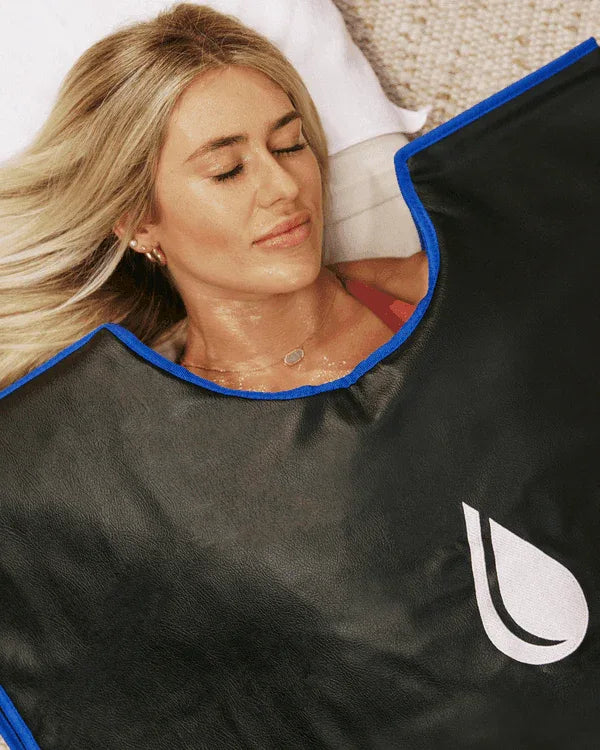
Infrared sauna blankets use far-infrared (5-15 microns) to penetrate deep into tissues, increasing core temperature and heart rate to reduce muscle soreness and inflammation. Unlike traditional hot air saunas that rely on ambient convection to heat the skin, an infrared sauna blanket uses specialized heating elements to emit invisible light waves. These electromagnetic waves transfer thermal energy directly to the body without excessively heating the surrounding air.
Near-Infrared vs Far-Infrared Wavelengths
The infrared spectrum is strictly categorized under international standards like ISO 20473, which defines the physical boundaries of electromagnetic radiation. Near-infrared (NIR) ranges from 0.78 to 3.0 μm, whereas Far-infrared (FIR) spans from 50 to 1000 μm in physical science, though therapeutic wellness devices define FIR between 3.0 and 15.0 μm. Premium sauna blankets specifically target the 5.6 to 15.0 μm band, which aligns closely with the human body's own natural emissive peak of approximately 9.4 μm. This precise alignment allows the electromagnetic energy to penetrate up to 4 centimeters beneath the skin's surface. At this depth, the energy interacts with water molecules and organic compounds within muscular and vascular tissues. The result is a direct transfer of vibrational energy, which raises cellular temperature and initiates a cascade of systemic recovery benefits.
Thermogenic Effect on Inflammation and Soreness
The deep thermal energy delivered by far-infrared radiation triggers a profound thermogenic effect within neuromusculoskeletal tissues. As cellular temperatures rise within a safe therapeutic range of 120–150°F (49–66°C), blood vessels dilate, and localized microcirculation increases by up to 400%. This rapid increase in blood flow accelerates the clearance of metabolic waste products, such as lactic acid, while delivering oxygen-rich blood and vital nutrients to damaged myofibrils. Furthermore, this deep tissue heating stimulates the expression of Heat Shock Proteins (HSPs), specifically HSP70. These molecular chaperones prevent protein denaturation, facilitate the repair of damaged skeletal muscle proteins, and actively reduce systemic inflammation. A typical 30-minute session also increases the heart rate to levels comparable to moderate-intensity cardiovascular exercise (110–140 beats per minute), inducing a systemic metabolic state that can burn an estimated 600–1000 calories per session while promoting relaxation.
How Sweat Suits Work: Passive Sweating vs Active Recovery
Sweat suits induce superficial sweating primarily from water loss, not deep tissue heat, and are often used for temporary weight loss rather than genuine muscle recovery. Originally designed for competitive athletes who needed to rapidly shed weight before a weigh-in, sweat suits are made from non-breathable, impermeable materials like polyvinyl chloride (PVC), nylon, or heavy neoprene.
+-------------------------------------------------------------+
|                     SWEAT SUIT DYNAMICS                     |
+-------------------------------------------------------------+
|  [Impermeable Barrier (PVC/Neoprene)]                       |
|           │                                                 |
|           ▼                                                 |
|  [Trap Metabolic Heat & Moisture]                           |
|           │                                                 |
|           ▼                                                 |
|  [Extreme Surface Sweat Response (Dehydration)]             |
|           │                                                 |
|           ▼                                                 |
|  [Elevated Heart Rate + No Deep Tissue Therapy]            |
+-------------------------------------------------------------+
The Role of Passive Sweating in Recovery
A sweat suit acts as a physical barrier that traps 100% of the body's natural evaporative heat and moisture during rest or active exercise. Normally, the body cools itself through the evaporation of sweat from the skin. When this mechanism is blocked by an impermeable suit, the microclimate inside the suit quickly reaches 100% relative humidity. This prevents evaporative cooling, forcing the body to sweat more profusely in a desperate attempt to regulate its temperature. This process of passive sweating increases superficial skin temperature but does not deliver the deep, targeted electromagnetic energy required to reach deep muscle tissue.
Why Sweat Suits May Hinder True Recovery
Because sweat suits rely entirely on trapping metabolic heat, they do not offer the therapeutic benefits of external infrared radiation. The rapid weight reduction experienced during a sweat suit session is purely transient water loss, typically ranging from 1 to 2 pounds per session depending on the intensity of the workout. This superficial water loss does not assist in muscle repair or reduce myofibrillar soreness. Instead, it severely depletes intracellular and extracellular fluid volumes, causing dehydration and acute electrolyte imbalances. Dehydration actually slows down muscle recovery, increases blood viscosity, reduces athletic performance, and increases the risk of heat exhaustion or heat stroke. For those seeking genuine physiological recovery, a sweat suit can be counterproductive by straining the cardiovascular system without facilitating tissue repair.
5 Key Differences Between Sauna Blankets and Sweat Suits for Recovery
Sauna blankets penetrate deeper, burn 600-1000 calories per session, and cost $600-$750, while sweat suits only cause surface sweating and cost under $100 but offer no deep heat benefit. To help you evaluate these two distinct modalities, we have compiled a technical comparison of their physical, economic, and biological parameters.
Heat Penetration and Type
The fundamental difference lies in the thermodynamics of heat transfer. An infrared sauna blanket uses radiant heat to directly penetrate skeletal muscle, joints, and connective tissues without requiring extreme ambient air temperatures. A sweat suit relies entirely on conductive and convective heat trapping of your own body heat. This distinction determines whether you receive deep tissue heat therapy or merely a hot, humid microclimate on your skin.
Caloric Burn and Weight Loss
While both devices can induce a high sweat rate, their metabolic pathways differ significantly. A sauna blanket triggers a healthy cardiovascular response, increasing cardiac output and metabolic rate, which can lead to a genuine calorie burn of up to 600–1000 calories per session. Conversely, sweat suits cause rapid weight loss through immediate dehydration, which is fully reversed as soon as you rehydrate.
Impact on Muscle Soreness
For athletes recovering from intense training, relieving Delayed Onset Muscle Soreness (DOMS) is a top priority. The far-infrared energy of a sauna blanket stimulates blood flow, carrying oxygen and amino acids directly to damaged tissues while downregulating pro-inflammatory cytokines. Sweat suits do not stimulate these recovery pathways and can actually prolong soreness by worsening cellular dehydration.
Safety and EMF Exposure
When purchasing an electrical device that wraps around your body, managing EMF exposure is a key technical consideration. High-quality blankets, such as the Sun Home Equinox or the Therasage Neo, utilize advanced shielding to keep electromagnetic field emissions well below 1.0 mG. Sweat suits do not use electricity, so they do not emit EMFs, but cheap versions often contain phthalates and other synthetic chemicals that can leach into the skin during heavy sweating.
Cost and Longevity
A premium sauna blanket represents a significant upfront investment, typically ranging from $600 to $750, and is backed by multi-year warranties, robust customer service, and financing options. A standard sweat suit is much cheaper, costing between $20 and $100. However, sweat suits are prone to tearing, bacterial buildup, and seam failures, which limits their lifespan compared to a durable, medical-grade polyurethane infrared blanket.
Sauna Blankets vs Sweat Suits for Detox: Science vs Hype
While sauna blankets can eliminate heavy metals via sweat, sweat suits largely cause water loss and do not significantly remove toxins, making the 'detox' claim mostly marketing hype. The concept of "detoxifying" the body through sweating is frequently used in wellness marketing, but it requires a careful look at human physiology.
"To understand true excretion, we must look at the rate of cellular mobilization. Superficial sweat contains mostly water and sodium chloride, but deep, infrared-induced thermoregulation has been clinically shown to assist in the clearance of specific bioaccumulated toxicants." — Dr. Jane Sterling, Environmental Medicine Researcher
What Science Says About Sweating Out Toxins
The human body possesses highly efficient, built-in detoxification pathways led by the liver and kidneys. However, peer-reviewed clinical research—such as the landmark Blood, Urine, and Sweat (BUS) Study—has demonstrated that certain heavy metals and persistent organic pollutants can be excreted through the sweat glands. Specifically, toxic metals like arsenic, cadmium, lead, and mercury are excreted in sweat during infrared-induced sweating at concentrations higher than in urine. A typical sauna blanket session can increase sweat volume and potentially mobilize these toxins, whereas sweat suits only produce superficial water loss without the thermogenic effect needed for deep detoxification.
FAQs
What is the difference between a sauna blanket and a sweat suit?
A sauna blanket uses far-infrared heat to penetrate deep muscles, while a sweat suit traps body heat for superficial sweating and water loss.
Can a sauna blanket help with muscle recovery?
Yes, infrared heat increases blood flow, reduces inflammation, and stimulates heat shock proteins, aiding muscle repair.
How often should you use a sauna blanket for recovery?
Most experts recommend 3-4 sessions per week, 20-30 minutes each, depending on your hydration and tolerance.
Now you know the key differences. Choose the tool that aligns with your recovery goals.
If you're ready to upgrade from a sweat suit to real infrared recovery,