
For high-performance athletes and fitness enthusiasts, the search for an effective post-workout recovery protocol is an ongoing quest. We push our bodies to the limit, causing microscopic tears in muscle fibers, accumulating metabolic waste, and enduring the familiar, dull ache of delayed onset muscle soreness (DOMS). While traditional recovery methods have their place, the convenience of home-based thermal therapy is reshaping how we approach recovery.
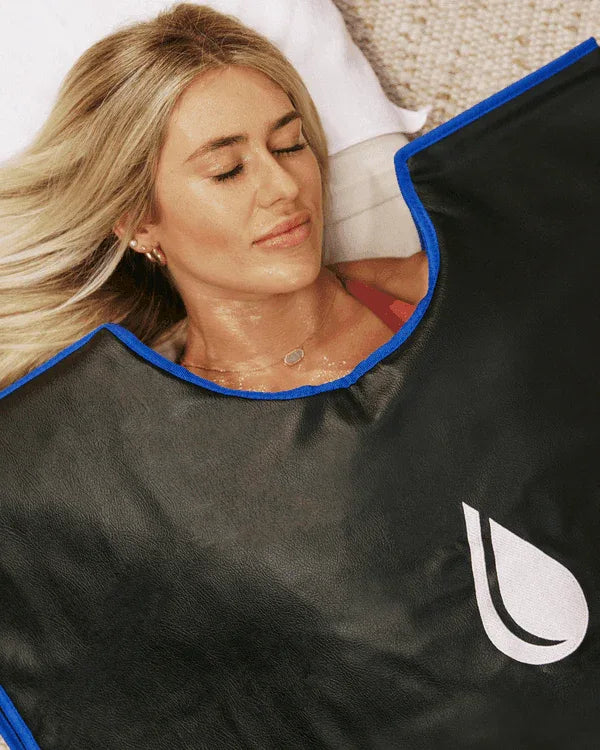
Imagine transforming your living room into a private recovery sanctuary. A place where you can wrap yourself in restorative, deep-penetrating heat that melts away physical tension while quietly accelerating cellular repair. But if you choose to invest in a Sauna Blanket for Muscle Recovery: What Results to Expect in 30 Days? This comprehensive guide bypasses the typical marketing hyperbole to deliver an analytical, scientifically backed look at the physiological milestones you can realistically expect over a four-week period.
How Infrared Heat from a Sauna Blanket Penetrates Muscle Tissue for Recovery
Sauna blankets use far infrared wavelengths (5-15 microns) that penetrate up to 1.5 inches into muscle tissue, increasing blood flow, reducing inflammation, and accelerating repair at the cellular level.
Unlike traditional convective saunas that heat the ambient air to high temperatures (often exceeding 185°F), a sauna blanket uses radiant heating. Under the ISO 20473 standard, infrared radiation is classified into near, middle, and far-infrared bands. Sauna blankets rely primarily on far-infrared radiation (FIR), specifically targeting wavelengths between 5 and 15 microns. This precise spectral band corresponds directly with the vibrational resonance frequency of water molecules in our biological tissues (optimizing at approximately 9.4 microns).
When these electromagnetic waves interact with the water molecules in your muscles, they cause rotational and vibrational stimulation at a molecular level. This phenomenon generates radiant heat deep within the tissue, bypassing the skin's insulating lipid barrier.
Infrared Spectrum (ISO 20473 Classification)
├─ Near-Infrared (NIR):  0.78 – 3.0 μm  (Superficial skin penetration)
├─ Mid-Infrared (MIR):   3.0 – 50 μm    (Moderate penetration)
└─ Far-Infrared (FIR):   50 – 1000 μm   (Deep subcutaneous/muscular thermal absorption)
   *Note: Sauna blankets optimize the 5 – 15 μm band for cellular resonance.
Cellular effects of far infrared on muscle fibers
At the cellular level, this deep thermal penetration triggers a cascade of restorative biochemical events:
- Vasodilation & Nitric Oxide Release: The deep absorption of far infrared wavelengths stimulates the endothelial lining of blood vessels to release nitric oxide. This potent vasodilator expands capillaries, dramatically increasing local blood circulation without a dramatic rise in arterial blood pressure.
- Enhanced Oxygen Delivery: Increased blood flow delivers high volumes of oxygenated blood directly to damaged sarcomeres (the structural units of muscle myofibrils).
- Metabolic Waste Clearance: The rapid circulatory loop accelerates the removal of metabolic byproducts, such as lactic acid and cellular debris, which accumulate during intense eccentric exercises.
- Heat Shock Protein (HSP) Activation: The mild, controlled thermal stress induces the expression of Heat Shock Proteins (specifically HSP70). These proteins act as molecular chaperones, repairing damaged cellular proteins and preventing muscle atrophy.
Comparing near vs far infrared penetration depths
It is a common misconception that near-infrared (NIR) and far-infrared (FIR) serve the same recovery functions. While NIR (780 nm to 3000 nm) is highly effective for superficial skin rejuvenation and mitochondrial stimulation in the uppermost layers of tissue, it lacks the thermal mass transfer capabilities required for deep intramuscular heating.
Far-infrared wavelengths, by contrast, excel at mobilizing water molecules deep within the subcutaneous tissue and skeletal muscle. While NIR energy is largely scattered and absorbed within the dermis, FIR energy penetrates up to 1.5 inches (approx. 4 cm) into the body. This makes FIR uniquely suited for warming thick muscle groups—such as the quadriceps, hamstrings, and erector spinae—which bear the brunt of athletic training.
Sauna Blanket for Muscle Recovery: What Results to Expect in 30 Days
Users typically experience 30-50% reduction in muscle soreness by week 2, and a 10-20% improvement in range of motion after 30 days of consistent sauna blanket use (4-5 sessions per week).
To help you measure your progress, let's break down the realistic physiological milestones of a structured 30-day recovery protocol. This timeline assumes you maintain a consistent routine of 4-5 sessions per week, with each session lasting 30 to 45 minutes at a temperature range of 104°F to 167°F.
Week 1: Acclimation and initial soreness relief
The first week of using a sauna blanket for muscle recovery is characterized by acute neuromuscular adjustments. As you wrap yourself in the blanket, your core body temperature will gradually increase by 1°F to 2°F. This mild hyperthermia stimulates the parasympathetic nervous system, inducing immediate muscle relaxation and reducing muscle spindle sensitivity, which helps alleviate painful spasms.
- Immediate sensation: Within 15 minutes of your first session, you will notice a marked decrease in muscular tension. The direct conductive and radiative heat acts as an analgesic, interrupting pain signaling pathways.
- Sweat rate initiation: Your body begins to acclimate to the thermal envelope, initiating a moderate sweat rate. During these initial sessions, your body may expel up to 0.5 liters of sweat as your thermoregulatory system adjusts.
- Post-session feel: A post-workout session in Week 1 will noticeably take the "edge" off acute muscle tightness, making it easier to perform light stretching or mobility drills afterward.
Week 2: Measurable reduction in DOMS
By the second week, your cardiovascular system and cellular pathways adapt to the thermal routine. This is when the cumulative effects of accelerated circulation begin to show noticeable results.
- The DOMS breakthrough: You will begin to experience a 30-50% reduction in muscle soreness in the 24 to 48 hours following your most intense workouts. Rather than struggling with debilitating stiffness, your muscles feel supple and ready for subsequent training sessions.
- Enhanced metabolic clearance: As your microvascular circulation improves, the inflammatory markers (such as creatine kinase and C-reactive protein) associated with muscle damage are cleared more efficiently from your bloodstream.
- Consistent thermoregulation: Your sweat rate may increase up to 1 liter per session as your body's cooling efficiency improves, highlighting the absolute necessity of rigorous hydration.
Weeks 3-4: Improved range of motion and sustained recovery
By the end of the 30-day cycle, deep tissue remodeling and systemic recovery benefits become fully established.
- Joint and myofascial mobility: You can expect a 10-20% improvement in range of motion. This is because deep far-infrared heat increases the viscoelastic properties of collagen fibers in your tendons, ligaments, and joint capsules.
- Decreased resting muscle tone: Chronic, stress-induced muscle guarding is significantly reduced. Your resting muscle tone (hypertonicity) normalizes, leading to improved posture and fewer tension-related injuries.
- Supercharged sleep quality: The dramatic drop in core body temperature that occurs immediately after exiting the sauna blanket mimics the natural circadian cycle, signaling your brain to produce melatonin. This deeper, restorative slow-wave sleep further amplifies your body's natural nocturnal muscle protein synthesis.
Comparing Sauna Blankets to Other Recovery Tools: Cold Plunge, Massage Guns, Traditional Saunas
A sauna blanket offers deeper heat penetration than a traditional cabin sauna for targeted muscle recovery, while being more affordable and portable than cold plunges or massage guns.
Choosing the right recovery tool requires balancing physiological mechanisms, budget, and space. Below, we compare sauna blankets against the other titans of the modern recovery space: cold plunges, percussive massage guns, and traditional infrared cabin saunas.
Sauna blanket vs. cold plunge for inflammation and soreness
The cold plunge and the sauna blanket represent opposite ends of the recovery spectrum: vasoconstriction versus vasodilation.
- Cold Plunge: Deliberate cold exposure drops tissue temperature rapidly, causing extreme vasoconstriction. This is highly effective for numbing acute pain and blunting systemic inflammation immediately after high-impact training. However, cold exposure can also blunt the natural muscular hypertrophy response if used too close to strength training sessions.
- Sauna Blanket: Conversely, a sauna blanket uses vasodilation to actively encourage blood flow and nutrient transport. This promotes biological tissue remodeling and long-term recovery. It is highly versatile and can be used anytime without disrupting muscle adaptation pathways.
Sauna blanket vs. massage gun for targeted muscle relief
- Massage Guns: Percussive therapy is excellent for mechanical myofascial release. It breaks up localized adhesions and temporarily increases local blood flow. However, it requires active manual effort and can be painful on highly inflamed or torn muscle tissues.
- Sauna Blankets: A sauna blanket offers a passive, systemic recovery experience. Instead of treating a single muscle group, it wraps your entire body in a therapeutic envelope, addressing systemic inflammation, downregulating your central nervous system, and promoting deep relaxation.
Sauna blanket vs. traditional infrared cabin sauna
While both use far-infrared technology, they differ significantly in application and practicality:
- Cabin Saunas: A traditional infrared cabin sauna (often constructed with premium materials like Canadian tulipwood) provides a spacious, luxurious experience. However, they require dedicated floor space, professional electrical installation, and represent a substantial financial investment ($3,000–$10,000+).
- Sauna Blankets: A premium sauna blanket delivers the exact same therapeutic far infrared wavelengths directly to your skin with zero distance attenuation. Because the heating elements sit mere millimeters from your body, heat transfer is incredibly efficient. It is also highly portable, folds away easily, and costs a fraction of the price of a cabin sauna ($400–$700), making it an accessible home recovery solution.
Factors That Influence Your Results: Frequency, Hydration, and Heat Setting
For best recovery, use the sauna blanket 4-5 times per week for 30-45 minutes, drink 16-24 oz of water before and rehydrate after, and start at a lower temperature (110°F) before progressing to higher settings.
To achieve optimal results within your 30-day recovery window, you must approach your sessions with consistent, scientific precision. Simply wrapping yourself in the blanket occasionally will not yield the dramatic transformations in muscle recovery and mobility that you are looking for.
1. Maintain a Consistent Frequency and Duration
To trigger lasting cardiovascular and muscular adaptations, aim for 4-5 sessions per week.
- Shorter sessions (under 20 minutes) do not allow your core body temperature to rise sufficiently to trigger the release of heat shock proteins.
- Longer sessions (over 45 minutes) can cause excessive cardiovascular strain and dehydration without offering additional recovery benefits.
2. Prioritize Hydration and Electrolyte Management
A single 45-minute sauna blanket session can result in up to 1 liter of sweat loss. This fluid loss reduces your blood volume, which can paradoxically slow muscle recovery by making your blood more viscous and sluggish.
- Pre-session protocol: Drink 16 to 24 ounces of water filtered with high-quality trace mineral drops or electrolytes 30 minutes before entering your blanket.
- Post-session protocol: Consume an additional 20 ounces of water paired with an electrolyte blend containing sodium, potassium, and magnesium to replenish lost essential minerals.
3. Progressive Overload for Heat Settings
Do not immediately set your sauna blanket to its maximum temperature of 167°F on day one.
- Days 1–7: Start at a conservative setting of 110°F to 120°F for 20 minutes to assess your thermal tolerance.
- Days 8–15: Gradually increase the temperature to 135°F to 145°F for 30 minutes as your body acclimates.
- Days 16–30: Progress to your optimal therapeutic zone between 150°F and 167°F for 30 to 45 minutes to maximize cellular recovery.
Key Features to Look for in a Sauna Blanket for Recovery
Choose a sauna blanket with low EMF (under 0.5 mG), UL/ETL certification, and far infrared heating elements made with Jacquard fabric for safe, effective muscle recovery.
Not all sauna blankets are created equal. The market is flooded with cheap, poorly engineered alternatives that emit high electromagnetic fields (EMF) and use toxic adhesives that off-gas under heat. When choosing a blanket for your recovery sanctuary, prioritize these technical specifications:
EMF safety and certifications (FTC, UL, ETL)
Electromagnetic fields (EMF) can disrupt cellular signaling pathways and cause low-grade systemic stress when experienced at close range for long periods. Because a sauna blanket wraps directly around your body, checking for EMF safety and certifications is non-negotiable.
- Look for manufacturers that use double-shielded carbon fiber heating elements to keep EMF emissions to virtually zero (ideally under 0.5 milligauss (mG) at the point of contact).
- Ensure the blanket has undergone rigorous independent safety testing and holds valid UL certification or is ETL listed for electrical safety, as well as holding FCC compliance certificates.
Materials and construction quality
A premium sauna blanket must endure repeated thermal expansion and contraction cycles without degrading or releasing toxic VOCs.
- Exterior: Look for high-grade, waterproof, and non-toxic polyurethane (PU) leather or premium Jacquard fabric that is easy to wipe down and sanitize.
- Interior: Premium blankets feature internal layers of charcoal, clay, and medical-grade magnetic strips to help distribute heat evenly and assist with detoxification.
- Thermal Insulation: Ensure the blanket utilizes non-toxic, fireproof cotton insulation layers to protect both you and your furniture from heat damage.
For a reliable option that meets all of these criteria, the Sun Home Infrared Sauna Blanket stands out. It features ultra-low EMF technology, high-quality, non-toxic materials, and exceptional thermal distribution. It also comes with a comprehensive warranty, flexible financing options, and free shipping to make your investment as seamless as possible.
Frequently Asked Questions About Sauna Blankets for Muscle Recovery
This FAQ section addresses common concerns about sauna blanket efficacy, safety, and usage for muscle recovery, helping you make an informed purchase.
What is a sauna blanket and how does it work for muscle recovery?
A sauna blanket is a portable, sleeping-bag-style wrap that uses far-infrared heating elements to warm your body directly. This deep, radiant heat dilates blood vessels, increasing oxygen and nutrient delivery to sore muscles while flushing out metabolic waste.
How many days a week should I use a sauna blanket for results?
For optimal results, aim for 4-5 sessions per week, with each session lasting 30 to 45 minutes. Consistently utilizing this schedule allows your body to experience lasting thermoregulatory and cardiovascular adaptations.
Can I use a sauna blanket if I have high blood pressure?
If you have high blood pressure or any cardiovascular conditions, consult your physician before using a sauna blanket. The deep heat induces vasodilation and temporary blood pressure fluctuations, requiring professional medical guidance.
How long until I see results from a sauna blanket?
You will experience immediate muscle relaxation and acute pain relief within your first session. Measurable improvements, such as a 30-50% reduction in muscle soreness, typically manifest by week 2, with range of motion improvements following by week 4.
Is a sauna blanket better than a traditional infrared sauna for muscle recovery?
Both deliver excellent far-infrared recovery benefits. However, a sauna blanket is far more cost-effective, highly portable, and places the heating elements closer to your body, offering efficient heat transfer.
What is the best sauna blanket for athletes?
The best blankets for athletic recovery feature ultra-low EMF emissions (under 0.5 mG), robust safety certifications (such as UL or ETL listings), and durable, non-toxic PU leather or Jacquard fabric.
Do sauna blankets help with weight loss or just recovery?
While sauna blankets primarily excel at muscle recovery and pain relief, they also elevate your heart rate and induce heavy sweating. This metabolic boost can burn additional calories and support your overall body composition goals when paired with regular exercise and a balanced diet.
The Verdict: Accelerating Recovery with Deep Heat
Investing in your recovery is just as important as the effort you put into your training. Over a 30-day period, consistent use of a far-infrared sauna blanket can transform how your body recovers, helping you move from chronic tightness to fluid mobility and deep relaxation.
By delivering deep therapeutic heat directly to your muscles, these blankets promote circulation, ease inflammation, and lower systemic stress—all from the comfort of your own home. If you are ready to upgrade your recovery routine, look for a premium, low-EMF option like the Sun Home Infrared Sauna Blanket to start your own 30-day transformation.
Ready to start your own 30-day recovery routine?