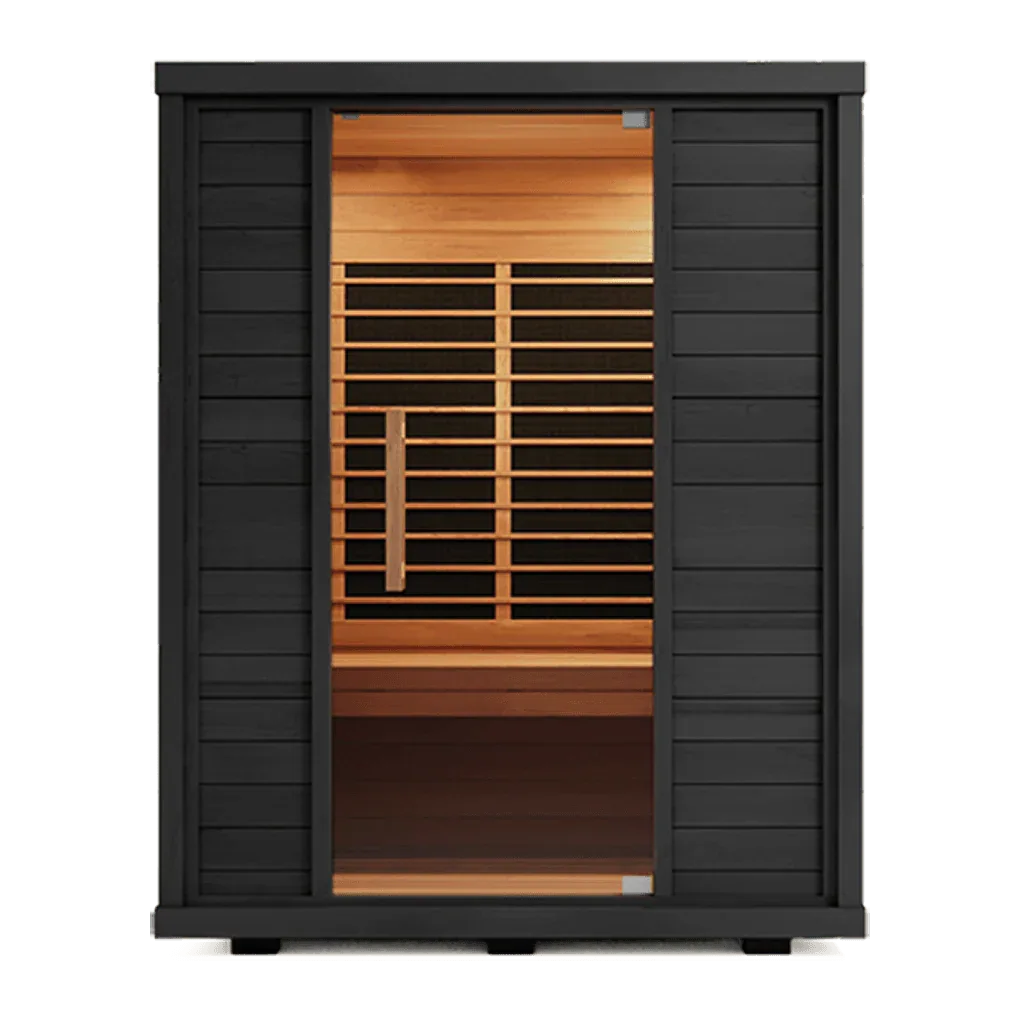

A SaunaLogic panel is the more flexible retrofit option, while a Finnleo panel requires a matched-brand heater. Cross-brand compatibility remains low, and swapping controls can put the sauna warranty and electrical components at risk. Smart panels can cut energy costs by up to 20%, but the long-term value depends on how the retrofit cost compares with an OEM replacement.
For homeowners navigating the complexities of sauna maintenance, understanding the interplay between control interfaces and heating elements is vital. This guide provides a detailed technical comparison, highlighting unit costs, electrical requirements, and the structural differences between these two prominent brands.
Key Takeaways
- Compatibility is low between proprietary Finnleo systems and universal SaunaLogic controllers.
- Finnleo panels are proprietary and require specific matched-brand heaters.
- SaunaLogic offers universal fitment for many standard third-party infrared cabins.
- Swapping panels risks voiding your primary manufacturer warranty.
- Smart panels save up to 20% on energy via precise heating.
SaunaLogic vs Finnleo: Control Panel Basics and Key Differences
SaunaLogic and Finnleo control panels differ primarily in compatibility, with SaunaLogic offering universal fit and Finnleo using proprietary designs, leading to distinct pricing and feature trade-offs.
When exploring sauna control features, you will find that the SaunaLogic control panel series is designed to act as an adaptable aftermarket solution. Primarily manufactured to control a wide range of standard far-infrared and traditional saunas, SaunaLogic systems emphasize broad application. They provide straightforward, dependable interfaces that focus on basic utility and multi-brand integration.
In contrast, the Finnleo control panel is built as an integrated component of Finnleo's premium ecosystems, often managed under its parent company, Harvia. These systems use dedicated power relay boxes that communicate over proprietary bus protocols. They are engineered specifically to optimize the performance of Finnleo heaters, such as the NorthStar or EOS series, leaving little room for third-party cross-compatibility.
While SaunaLogic focuses on universal access, Finnleo prioritizes high-fidelity, closed-loop integration. This design philosophy affects everything from basic temperature adjustments to integrated chromotherapy, Bluetooth audio, and multi-zone heating configurations.
These technical differences impact how you interact with your home sanctuary. If you are looking to build or upgrade a highly customized wellness setup, choosing a system that matches your hardware is essential.
Compatibility Check: Can You Swap SaunaLogic and Finnleo Panels?
Swapping panels between brands is rarely plug-and-play; while SaunaLogic panels can work with many saunas, Finnleo panels are proprietary, and mismatched electrical specs or connectors can cause safety hazards.
To understand why a direct swap is difficult, you must look at electrical requirements and signal architecture. Most modern control interfaces do not handle high voltage directly. Instead, they act as low-voltage command modules (usually 12V or 24V DC) that send signals to a primary power relay contactor box.
While both brands operate within standard US electrical standards (120V/240V, 60Hz), their internal communications differ. Finnleo systems, particularly those using the Elite or Pure controllers, rely on a proprietary digital communication protocol. This setup uses specific RJ-11 or RJ-45 connector types with unique pin-out configurations to talk to their power units.
If you try to connect a SaunaLogic control panel to a Finnleo power box, you run into several technical hurdles:
- Mismatched Thermistor Resistance Curves: The temperature sensor (probe) must match the control board's programmed resistance curve (e.g., NTC 10k ohm vs. PTC sensor). A mismatch causes incorrect temperature readings or safety-limit errors.
- Proprietary Control Systems: Finnleo's control bus expects specific digital signatures from the control head. Third-party panels cannot replicate these, resulting in communication errors.
- Physical Mounting Differences: SaunaLogic controllers typically use flush-mount or surface-mount brackets designed for standard cutouts. Finnleo panels use custom cutouts designed for their specific architectural profiles.
Attempting a sauna panel swap without modifying the relay box and temperature sensor can damage the microprocessors. It can also cause thermal runaway, creating a safety hazard.
SaunaLogic vs Finnleo Control Panel Compatibility Cost Comparison: Full Price Breakdown
SaunaLogic panels typically cost $200-$500, while Finnleo panels range $250-$600; installation runs $100-$300, and depending on complexity, you might spend over $900 total. Panel prices vary based on features and compatibility, so comparing apples to apples is essential.
Evaluating a SaunaLogic vs Finnleo control panel compatibility cost comparison requires looking beyond the retail price of the panel. You must also consider diagnostic labor, adaptation kits, and potential system updates.
If your original Finnleo controller fails, replacing it with another OEM Finnleo panel is the simplest path, though it carries a premium control panel price. If you choose to adapt a SaunaLogic panel to a Finnleo heater, you must factor in the cost of a new matching power relay box and temperature sensor. This turns a simple panel swap into a full control-system overhaul.
Opting for professional installation ensures the work is done safely. Standard sauna panel installation cost calculations depend heavily on regional electrician rates, which typically range from $50 to $130 per hour in the US. For example, electricians in Minnesota (where Finnleo is based) may charge differently than those in California.
If you choose a DIY installation, you can save on labor costs. But you assume all risk for wiring errors. This can impact the long-term reliability of your setup, whereas professional installation ensures your home sanctuary operates safely and efficiently.
Warranty Risks: What Happens When You Mix Control Panel Brands?
Using a non-OEM control panel can void your sauna's warranty, but under the Magnuson-Moss Act, manufacturers must prove the aftermarket part caused the damage.
Before modifying your sauna's electrical systems, you should review your manufacturer's sauna warranty guidelines. Finnleo typically offers a 2-to-5-year warranty on electrical components, provided they are maintained using genuine OEM parts. SaunaLogic offers a 1-to-3-year warranty on their individual control assemblies.
If you install a third-party controller on a Finnleo heater, the manufacturer may deny subsequent claims for issues like element failure or wiring damage. They often attribute these problems to the unapproved controller's relay behavior.
"Under the rules of the Magnuson-Moss Warranty Act (15 U.S.C. § 2301-2312), a manufacturer cannot legally void your entire product warranty simply because you installed an aftermarket part. But if the aftermarket control panel causes a malfunction, the manufacturer is not obligated to cover the resulting damage."
To protect your investment, consider these warranty factors before making changes:
- Verify Your Current Coverage: Check if your sauna is still within its active warranty window.
- Consult Manufacturer Technical Support: Ask both brands in writing about the implications of using aftermarket controls.
- Keep Original Parts: If you proceed with a retrofit, keep the original control panel and power box. This allows you to restore the system to its original state if troubleshooting is needed.
Step-by-Step: How to Check If Your Sauna Can Use a Different Control Panel
Before buying a control panel, you must verify voltage, wattage, probe type, and connector compatibility; a template wiring diagram can help you confirm any required modifications.
To assess whether a cross-brand panel swap is feasible for your setup, follow this diagnostic process.
Step 1: Identify Your Sauna Model and Heater Specifications
Locate the metal specification plate on your heater chassis or inside the sauna cabin door. Write down the model number, maximum wattage, voltage requirement (120V vs. 240V), and phase rating (usually 1-phase for residential use).
Step 2: Check Existing Panel's Voltage and Wiring
Turn off the power at the main circuit breaker. Remove your current control panel from the wall and photograph the wire connections. Identify whether the panel connects via a low-voltage bus line (thin multi-colored wires or RJ-style plug) or carries line-voltage directly.
Step 3: Contact Technical Support
Reach out to technical support teams at specialized retailers, such as SaunaPlace or Almost Heaven. Provide your heater model and ask if they carry verified adapter kits for your target controller.
[Sauna Power Source] ---> [Main Circuit Breaker] ---> [Power Relay Box]
 |
 +--------------------------------------+
 | (Low-Voltage Digital Signal Bus)
 v
 [Control Panel] <---> [Temperature Sensor / Thermistor Probe]
Step 4: Compare Connectors and Sensor Types
Verify if the new panel comes with its own temperature probe. If you must use your existing probe, ensure its resistance profile matches the new panel's requirements.
Smart Features and Energy Efficiency: Which Panel Offers More Value?
Finnleo's newer WiFi-enabled panels offer more smart features and can cut heating costs by up to 20%, but SaunaLogic's simpler design is praised for reliability and ease of use.
Modern smart sauna controls do more than just turn the system on and off. They optimize power delivery to the heating elements. Advanced control panels use proportional heating algorithms (PID controllers) instead of simple on/off relays. These algorithms reduce energy draw once your sauna reaches its target temperature, maintaining a steady heat level rather than cycling fully on and off.
If you prefer a simple, reliable interface, SaunaLogic's straightforward digital layout is a practical choice. But if you want to integrate your sauna into a smart home system, Finnleo's advanced features may justify the higher initial cost.
Where to Buy SaunaLogic and Finnleo Control Panels at the Best Price
Authorized dealers offer warranty peace of mind, but online marketplaces and used units can save up to 50%, though they carry compatibility and warranty risks.
When purchasing replacement parts, where you buy affects both the price and your warranty protection.
- Authorized Dealers: Retailers like SaunaPlace.com and AlmostHeaven.com offer genuine OEM parts, full manufacturer warranties, and access to technical support.
- Online Marketplaces: Platforms like eBay or specialized electrical surplus sites sometimes list used or open-box panels at discounts of up to 50%. But these items rarely carry a warranty and are often sold as-is.
- Local Distributors: If you live near major sauna distribution hubs, such as Minnesota for Finnleo or California for various importer brands, local pick-up can eliminate shipping fees for heavy power boxes.
Always check return policies before purchasing. If a panel proves incompatible with your setup during installation, a flexible return window is essential.
Frequently Asked Questions About SaunaLogic and Finnleo Control Panels
Are SaunaLogic and Finnleo control panels interchangeable?
Generally, no. SaunaLogic controllers are designed as universal aftermarket options, whereas Finnleo panels rely on proprietary communication systems matched to their own heaters and relay boxes. Swapping them without adapting the entire control system can cause component damage or safety issues.
How much does it cost to replace a sauna control panel?
Replacing a panel typically costs between $350 and $850. This includes the retail price of the controller ($200 to $600) plus professional electrical installation ($100 to $300), along with any necessary shipping fees.
Will using a SaunaLogic control panel void my Finnleo warranty?
Yes, using third-party components can void your Finnleo warranty on associated parts like the heater or power unit. While the Magnuson-Moss Act provides some consumer protection, manufacturers can deny coverage if they prove the third-party panel caused the failure.
Can I install a control panel myself?
If you have basic electrical experience and your system uses low-voltage class-2 wiring, a DIY installation is possible. But if the panel handles line-voltage directly or requires modifying the main breaker, you should hire a licensed electrician to ensure safety and code compliance.
Which control panel has better smart features?
Finnleo's high-end controllers offer more advanced smart features, including WiFi connectivity, mobile app integration, and scheduling. SaunaLogic focuses on simple, reliable digital controls that prioritize ease of use over smart home integration.
Do I need an electrician to install a control panel?
While not always legally required for low-voltage systems, hiring an electrician is highly recommended. Professional installation ensures your system is wired safely, maintains your warranty coverage, and meets local electrical codes.
Where can I find compatible control panels for my sauna model?
You can find compatible options through authorized online retailers like SaunaPlace or by contacting the manufacturer's customer service department directly with your heater's model number and electrical specs.
Choosing the Right Control System for Your Home Sanctuary
Navigating a SaunaLogic vs Finnleo control panel compatibility cost comparison requires balancing cost, technical compatibility, and your desired features. For standard saunas needing a straightforward, cost-effective replacement, SaunaLogic's universal kits are a practical solution. But if you own a premium Finnleo system, sticking with OEM parts preserves its performance, safety features, and manufacturer warranty.
Maintaining a reliable home sauna ensures your wellness routine remains uninterrupted. By selecting the correct control interface, you protect both your investment and your physical well-being.
Related Reading
- Cold Plunge Maintenance: Chiller vs Ice Monthly Cost Breakdown
- SaunaLogic 2 Controller Help. Made by Amerec, Not Us
- Red Light Therapy Panel vs Infrared Sauna for Muscle Recovery: Which Is Better for the Money?
- Infrared Sauna Running Cost Calculator: Electricity Per Session
Read next: SaunaLogic 2 Controller Upgrade Guide: Features, Wiring, and Installation
Read next: How to Pair SaunaLogic Bluetooth: Step-by-Step Wireless Troubleshooting Guide