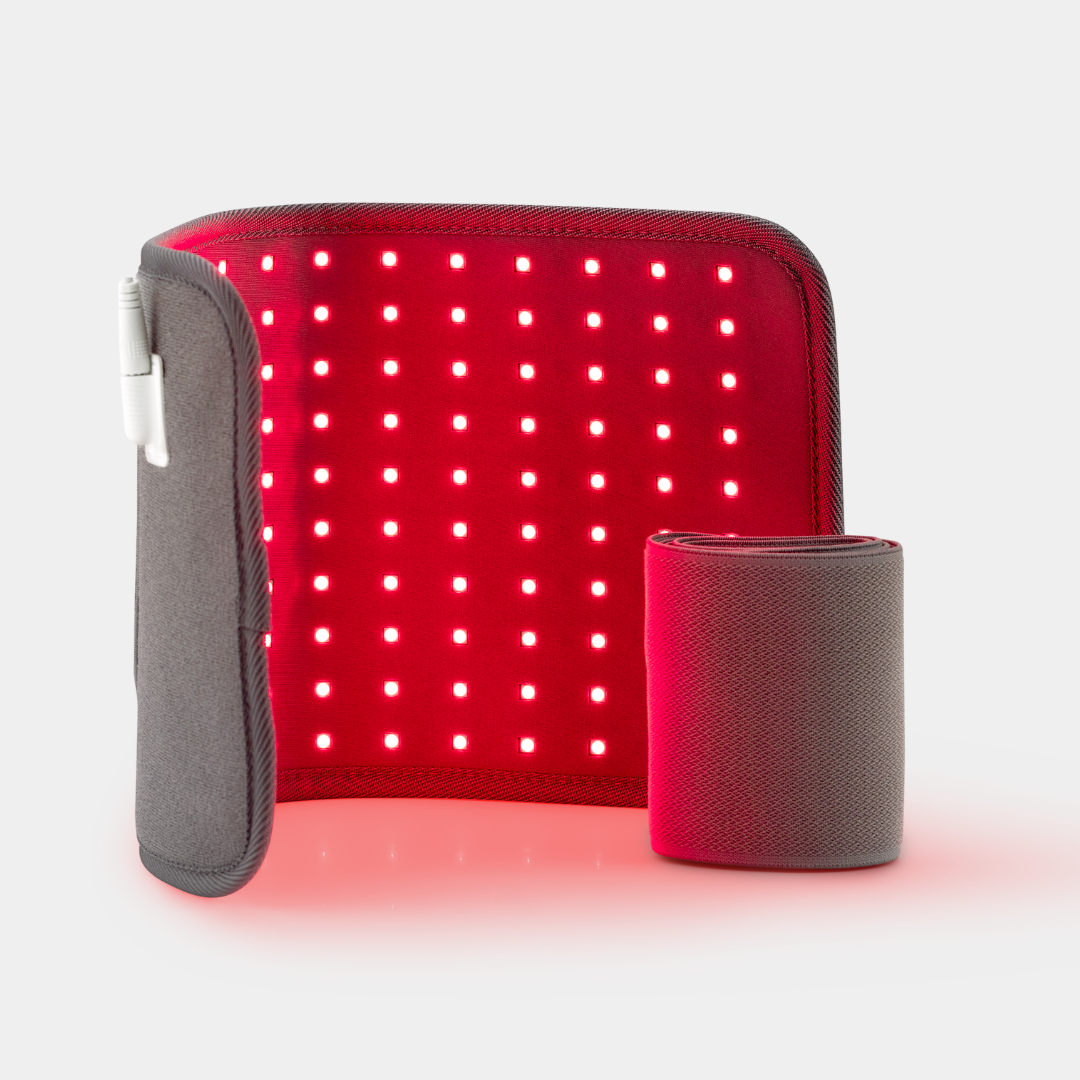

For homeowners and biohackers seeking to reclaim their active lifestyles, chronic joint discomfort can make even a simple walk feel like a monumental challenge. Rebuilding the knee joint into a reliable sanctuary of movement requires a scientifically proven, non-invasive therapeutic approach. Photobiomodulation (PBM) has emerged as a premier clinical intervention, utilizing specific wavelengths of light to accelerate cellular repair and soothe aching joints. This comprehensive Red Light Therapy for Knee Pain: Pad vs Laser Device Comparison evaluates the clinical efficacy, optical physics, and long-term economic value of both modalities to guide your home wellness investment.
How Red Light Therapy and Laser Devices Work for Knee Pain
Both red light therapy pads and laser devices stimulate cellular energy production (ATP) to reduce inflammation and pain, but they differ in light coherence and divergence, affecting penetration and treatment area. Understanding these physiological and optical distinctions is key to optimizing your recovery protocol.
Mechanism of Action: Photons Stimulate Mitochondria
The fundamental red light therapy mechanism and laser therapy mechanism rely on photobiomodulation. When photons within the red (600–700 nm) and near-infrared (800–900 nm) spectrums strike dermal tissue, they are absorbed by cytochrome c oxidase, a crucial enzyme within cellular mitochondria. This absorption triggers the displacement of nitric oxide, which otherwise inhibits cellular respiration. Consequently, the cell experiences a dramatic surge in ATP production (adenosine triphosphate) alongside a moderate release of reactive oxygen species (ROS). This biochemical cascade accelerates cellular repair, improves microcirculation, and leads to a profound, systemic inflammation reduction within the joint capsule.
[Photons (Red/NIR)] ➔ [Cytochrome c Oxidase] ➔ [Displace Nitric Oxide] ➔ [Boost ATP Production] ➔ [Inflammation Reduction]
LEDs vs. Lasers: Coherence and Divergence Differences
While both devices utilize the same biological pathway, they deliver light through vastly different physical properties. First, Light-Emitting Diodes (LEDs) emit non-coherent, diverging light. As the light leaves the diode, it spreads outward in a cone-like pattern. This makes LED-based red light therapy pads excellent for distributing energy over large surface areas, though it decreases the energy density delivered to deep tissues. Second, Super-Luminescent Diodes or Lasers (Class IIIb / Class IV) emit coherent, collimated light. The light waves travel in perfect phase and parallel alignment, meaning they do not spread out over distance. This allows lasers to focus an immense concentration of energy onto a highly specific target, minimizing surface scattering.
Penetration Depth: LED Pads vs Laser Devices for Knee Joints
Laser devices achieve significantly deeper penetration (up to 10 cm) compared to LED pads (1-3 cm), making lasers more suitable for deep knee joint issues like knee osteoarthritis, while pads are effective for superficial soft tissue pain. Selecting the right tool depends on pinpointing where your pain originates.
Typical Penetration Depths
The depth to which light can travel through human skin, fat, and bone is dictated by its wavelength and physical delivery method. According to optical standards, near-infrared (NIR) wavelengths (specifically between 800–900 nm) exhibit the lowest absorption rate by melanin and water, allowing them to travel deeper than red light. LED pads must be pressed firmly against the skin to minimize refractive loss. Even with direct contact, their diverging light scatters rapidly in the subcutaneous fat layer, limiting their effective penetration depth to 1–3 cm, ideal for superficial tendons, ligaments, and skin layers. Laser devices, due to their collimated beam and high peak power, can successfully pass through dense connective tissues, cortical bone, and joint fluid, achieving a deeper penetration depth of up to 10 cm and delivering therapeutic energy directly to the inner joint space.
Implications for Superficial vs. Deep Knee Pain
Your specific diagnosis dictates which device will deliver the best results. For superficial pain, such as patellar tendinitis, IT band friction syndrome, or minor collateral ligament strains, the target tissue lies close to the skin's surface. In these cases, an LED pad is highly effective because it covers the entire painful area simultaneously. For deep tissue pain, such as moderate-to-severe knee osteoarthritis, meniscus tears, or deep intra-articular inflammation, the damaged cartilage lies deep within the joint. To reach these areas, you need the concentrated power of a laser device to bypass the surrounding bone and tissue barrier.
Clinical Evidence: Red Light Therapy for Knee Pain: Pad vs Laser Device Comparison
Clinical studies show both modalities reduce knee pain, but laser therapy often yields faster and greater pain reduction (e.g., 50% reduction in 3 weeks) compared to LED pads (30% in same period), especially for deep osteoarthritis. Examining the clinical data helps establish realistic expectations for your recovery timeline.
Pain Reduction After 3 Weeks:
[███████████████] 30% (LED Pads)
[█████████████████████] 50% (Laser Devices)
Studies on LED Pads for Knee Osteoarthritis
Numerous peer-reviewed clinical studies have validated the use of LED-based photobiomodulation. A notable LED pad study published in clinical literature evaluated patients with mild-to-moderate knee osteoarthritis over a six-week period. Using an LED pad emitting dual wavelengths of 660 nm and 850 nm, participants reported a consistent 30% pain reduction along with marked improvements in joint range of motion. The therapeutic protocol required applying the pad for 20 minutes, three times per week. The study concluded that while LED pads are highly effective at reducing muscle guarding and superficial inflammation, their impact on deep cartilage regeneration remains limited.
Studies on Laser Therapy for Knee Pain
In contrast, clinical studies evaluating low-level laser therapy (LLLT) reveal more rapid structural and symptomatic improvements. A randomized, double-blind laser therapy study demonstrated that Class IIIb/IV lasers achieved a remarkable 50% pain reduction in patients with severe osteoarthritic degradation after just three weeks of consistent use. The collimated laser beam successfully targeted the synovial membrane, stimulating chondrocyte proliferation (the cells responsible for cartilage repair) and significantly reducing pain during weight-bearing activities.
Head-to-Head Comparisons
When comparing these two technologies directly, researchers observe a clear distinction in both treatment speed and targeting capability. Lasers deliver a high therapeutic dose of energy in short, concentrated bursts, whereas LED pads require longer, repeated sessions to achieve a comparable cumulative energy dose. For chronic, deep-seated joint degeneration, lasers consistently outperform pads in clinical trials. However, for generalized pain management and broad muscle recovery around the joint, LED pads offer a highly practical, reliable, and comfortable home-use alternative.
Key Features to Compare: Wavelength, Power Density, and Coverage Area
For knee pain, look for devices with both red (660nm) and near-infrared (850nm) wavelengths; pads offer broad coverage but lower power density, while lasers deliver high intensity to small areas, affecting total dose and treatment time. Evaluating these technical specifications ensures you choose a device that delivers a true therapeutic dose.
Optimal Wavelengths for Knee Pain: 660nm and 850nm
To achieve comprehensive joint relief, your chosen device should deliver a combination of two primary wavelengths. Red Light (660 nm) is absorbed efficiently by the skin and superficial tissues, making it highly effective for treating skin incisions, superficial tendons, and localized inflammation. Near-Infrared Light (850 nm) falls within the optimal "optical window" for biological tissue, meaning it is not absorbed by water or hemoglobin as quickly. This allows it to penetrate deep into the synovial fluid, bone, and cartilage of the knee joint.
Power Density (mW/cm²) and Dosing Requirements
The rate at which energy is delivered to your tissue is known as power density (irradiance), measured in milliwatts per square centimeter (mW/cm²). The total energy delivered over time is calculated in Joules (J = Watts × Seconds). LED pads typically deliver a moderate power density ranging from 20 to 100 mW/cm². Because the power is lower, you must wear the pad for 15 to 30 minutes to accumulate an effective therapeutic dose of 10 to 20 Joules of energy. Laser devices deliver a much higher power density, ranging from 500 to over 5,000 mW/cm². Thanks to this high intensity, they can deliver the same therapeutic energy dose to a targeted spot in just 10 to 60 seconds.
Treatment Area: Pads Cover Large Area, Lasers Target Small Spots
The ideal device for you depends on how much area you need to treat. A high-quality flexible pad can wrap entirely around your knee joint, treating the patella, lateral collateral ligaments, and back of the knee (popliteal fossa) all at once. A laser device, by contrast, projects a tiny beam spot (typically 0.5 to 5 cm²). This requires you to manually move the device from point to point across the joint to complete a full treatment. Many high-end lasers also feature pulse modes (such as pulsing at 10Hz or 40Hz), which prevent heat buildup on the skin while helping the light penetrate even deeper into the tissue.
Cost Comparison and Long-Term Value for Homeowners
Red light therapy pads are significantly cheaper upfront ($200-$800) compared to laser devices ($500-$3,000), but both offer low per-treatment cost over time; pads may be more economical for whole-body use, while lasers offer higher intensity for targeted therapy. Factoring in financing, warranties, and versatility helps clarify the true return on your investment.
Upfront Costs: Pads vs. Lasers
When budgeting for a home-use device, you will find a distinct price gap between these two technologies. Flexible LED pads: High-quality, consumer-grade pads from reputable brands like Joovv and Mito Red Light generally range from $200 to $800. These units are highly accessible, and many top-tier manufacturers offer excellent financing programs and free shipping to make the purchase even easier. Targeted laser devices: True cold laser or super-luminescent laser devices from brands like Theralase and B-Cure Laser range from $500 to $3,000 or more for clinical-grade systems. While the upfront cost is higher, they provide professional-grade power and rapid recovery times right in the comfort of your home.
Longevity and Warranty
A device's long-term value is directly tied to its build quality and manufacturer backing. Premium LED diodes are incredibly durable, boasting operating lifespans between 20,000 and 50,000 hours. High-end brands back their pads with generous 2-year warranties. Laser devices also offer long lifespans, often exceeding 10,000 hours of use, with warranties ranging from 1 to 3 years. Considering that a typical knee treatment session is only a few minutes for lasers versus 20 minutes for pads, the laser's diode hours may last longer in real-world use.
FAQs
Is red light therapy or laser better for knee pain? Laser devices are generally better for deep knee pain like osteoarthritis, while red light therapy pads are effective for superficial pain and broad coverage.
How often should you use red light therapy for knee pain? Most protocols recommend 2–4 sessions per week for 4–8 weeks, with each session lasting 10–20 minutes for pads or 1–5 minutes for lasers.
Can I use a red light therapy pad on other body parts? Yes, flexible pads can be wrapped around ankles, shoulders, or back, making them a versatile investment for whole-body use.
If a pad fits your budget and routine better than a clinic laser,