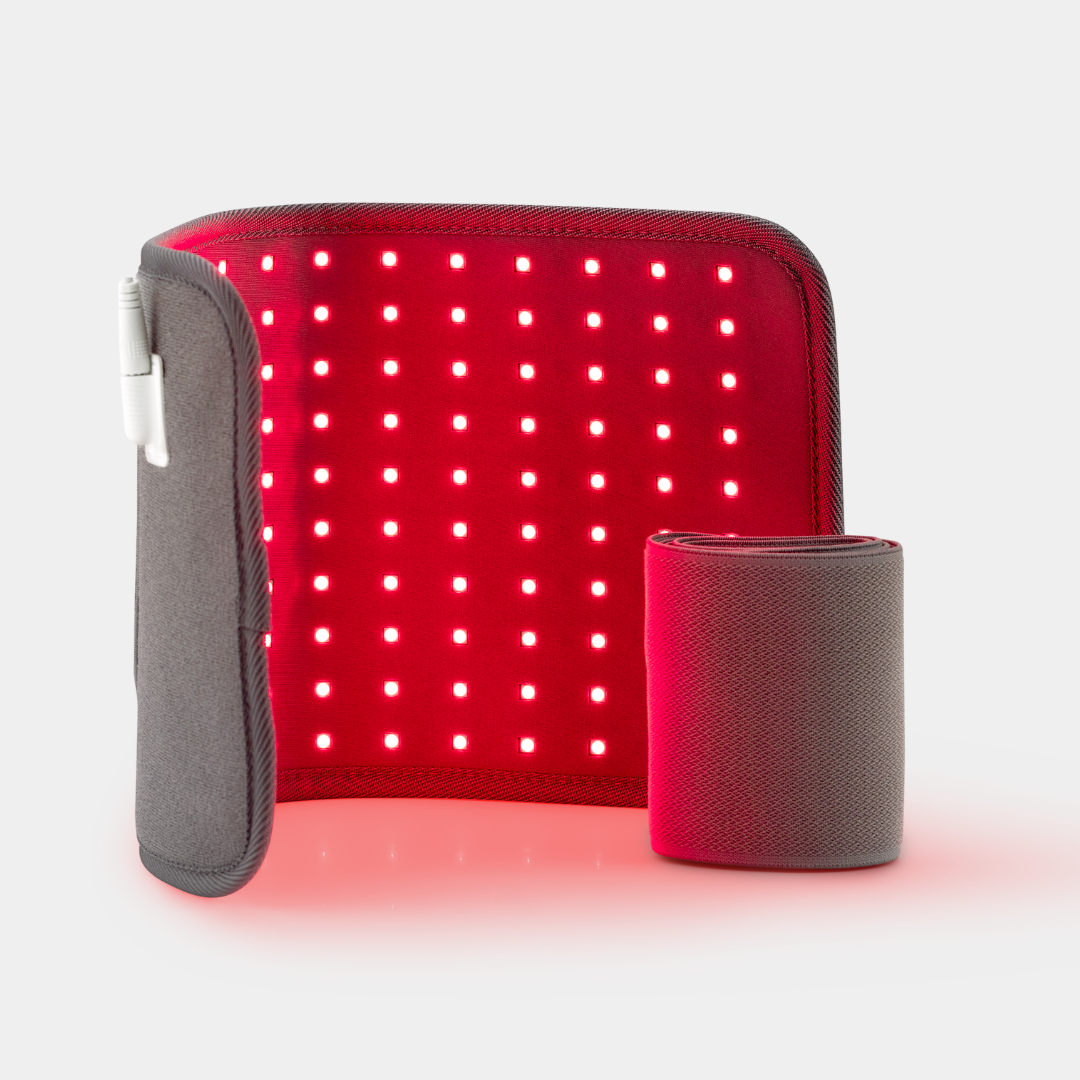

Red light therapy for hair growth is a buyer-intent search because people are comparing devices, not just reading theory. The honest answer is that results depend on device quality, coverage, consistency, and the reason hair is thinning. A panel such as the Medical-Grade Desktop Red Light Panel can be useful when you want flexible red/NIR sessions beyond the scalp, while targeted devices like a red light therapy pad may fit different use cases.
Coverage Is the First Buying Question
Caps are convenient because they hold emitters close to the scalp. Brushes and combs require more manual discipline. Panels are more flexible for face, neck, joints, and general routines, but the user must position the scalp consistently. The best device is the one you will use correctly and often enough.
Do Not Ignore the Cause of Hair Loss
A light device is not a diagnosis. Hormonal patterns, nutrition, stress, scalp conditions, medication, and genetics can all affect hair. Treat red light as a supportive at-home routine, not a guaranteed cure. Buyers with sudden or patchy loss should get medical advice before spending heavily.
Panel vs Cap vs Brush
Choose a cap when scalp coverage and hands-free use matter most. Choose a panel when you want a broader wellness device and are willing to manage distance and angle. Choose a brush only if you know you will tolerate the manual routine. The lowest-friction device usually wins over months.
What Specs Matter
Look for wavelength transparency, usable power at the treatment distance, eye-safety guidance, warranty, comfort, and session instructions that are realistic. Avoid miracle timelines and vague intensity claims that do not explain how the device should be used.
Frequently Asked Questions
How do I choose between a red light therapy panel, cap, or brush for hair growth?
Choose a cap if you want convenient, hands-free scalp coverage that holds emitters close to your head. A panel is best if you want a flexible wellness device for other areas like your face, neck, or joints, though you must consistently manage your scalp's distance and angle. Brushes require the most manual discipline, so you should only choose one if you are willing to stick to a hands-on routine.
What specifications should I look for when buying a red light therapy device for hair?
You should look for wavelength transparency, comfort, a warranty, and usable power at your treatment distance. It is also crucial to look for eye-safety guidance and session instructions that are realistic. Avoid devices that offer vague intensity claims or promise miracle timelines.
Can red light therapy cure all types of hair loss?
No, red light therapy should be treated as a supportive at-home routine rather than a guaranteed cure. Hair thinning can be caused by many factors, including genetics, hormones, nutrition, stress, scalp conditions, and medication. Buyers experiencing sudden or patchy hair loss should seek medical advice before spending money on a device.
Why does coverage matter when selecting a red light device?
Coverage is a critical factor because the best device is ultimately the one you will use correctly and consistently. Caps are highly convenient because they hold the emitters close to the scalp for you. In contrast, panels require you to manually position your scalp at a consistent angle, while brushes require the most manual effort and discipline.
Related Reading
- Red Light Therapy Panel vs Mask: Which Device Should You Buy for Face, Joints, and Recovery?
- Red Light Therapy Panel vs Infrared Sauna for Muscle Recovery: Which Is Better for the Money?
- Treat Receding Gums at Home with Red Light Therapy
- Red Light Therapy for Knee Pain: Pad vs Laser Device Comparison
Related reading
- Red Light Therapy Bulbs vs LEDs: Which Wavelength Intensities Justify the Higher Cost for Muscle Recovery?
- Why Red Light Therapy Irradiance Under 100 mW/cm² Fails
- How Red Light Therapy Safely Boosts Thyroid Health
- How Saunas Trigger A Massive Growth Hormone Spike
- How Laser Therapy Repairs Damaged Nerves Without Surgery
- The Ultimate Science Backed Contrast Therapy Protocol
- Why Red Light Therapy for Gums Outperforms Mouthwash
Related reading
Pros
- Matches a current high-interest wellness search
- Avoids medical certainty
- Gives clear device-selection logic
Cons
- A cap may be easier for scalp-only use
- Underlying hair-loss causes still need evaluation
Technical Verdict
Buy for the routine you can repeat. Panels are flexible, caps are convenient, and brushes require the most discipline.
→ Compare Red Light Options